The Cannabis and Cortisol Awakening Response Sleep Trap
The cannabis and cortisol awakening response explains why frequent THC users see inflated wearable recovery scores but still wake up exhausted.

You track your sleep with military precision. Your Oura ring says you hit 85% readiness. Your Whoop recovery is in the green. Yet you wake up feeling like you got hit by a truck, relying on double shots of espresso just to function. If you use THC to wind down at night, the cannabis and cortisol awakening response may explain your hidden physiological conflict.
Stay in the loop.
Get the latest posts and exclusive content delivered to your inbox.
Join 22 readers. No spam. Unsubscribe in one click, anytime.
Research on HPA axis regulation suggests that frequent cannabis users may wake with unusually elevated morning cortisol, potentially placing the body in a stress state before the day even begins. This dysregulation happens entirely off the radar of mainstream wearables. The clash between cannabis and cortisol awakening response is silently sabotaging the exact recovery metrics you optimize for. You are falling asleep faster, but you are systematically dismantling the hormonal architecture that makes deep recovery possible.
The Illusion of THC Sleep Architecture
Falling asleep faster does not equal recovering better. Many biohackers use THC to shorten sleep onset latency, relying on its sedative properties to crash quickly. However, this exogenous intervention heavily alters your natural brain cycles.
Research on THC sleep architecture shows that frequent use suppresses REM sleep and alters slow-wave activity. You might subjectively feel like you slept deeply, but your brain is bypassing the critical neuroplasticity phases required for actual cognitive recovery. This creates a false perception of rest. The time spent unconscious increases, but the restorative quality of that time plummets. You miss out on the memory consolidation and emotional processing that only natural sleep cycles can provide.
Understanding this requires looking past the basic sleep metrics on your wrist. You can explore the details of cannabis sleep architecture research to see exactly how the plant alters your nocturnal brain activity.
Defining the Cannabis and Cortisol Awakening Response

CAR is the single metric that explains the gap between your wearable's green readiness score and your actual inability to get out of bed. Think of it as your body's hormonal alarm clock, a sharp, precisely timed cortisol surge that flips your metabolism from sleep mode to operational mode within minutes of waking. When that alarm works, you feel it: natural drive, mental clarity, low systemic inflammation. When it breaks, you reach for espresso before your feet hit the floor.
A disrupted CAR feels unmistakable. Sluggishness, brain fog, a reliance on stimulants to manufacture energy your body should produce on its own. The key insight is that timing matters more than absolute cortisol level. Cortisol typically rises 50 to 100 percent in the first 30 to 45 minutes after waking, a surge that reduces morning inflammation and primes immune function. But if that spike arrives late, fires weakly, or hits chaotically across the morning window, the raw cortisol number matters less than the disorganized rhythm delivering it. Your optical wearable cannot see any of this. It tracks autonomic proxies like HRV, not endocrine timing.
You can review the cortisol awakening response endocrinology behind this circadian event.
The Wearable Blind Spot in Recovery Data
If your circadian rhythm is disrupted, why does your Oura or Whoop still give you a high score? Consumer wearables track the autonomic nervous system through proxies like heart rate variability (HRV) and respiratory rate. They measure heart rate intervals governed by the vagus nerve to determine if your body is in a parasympathetic recovery state.
What they cannot do is measure endocrine responses. Your Whoop strap cannot sample your blood or saliva to check your hormones. This explains the hidden cannabis impact on whoop readiness score data. You might go to bed stoned, lower your resting heart rate through central nervous system depression, and wake up with an artificially inflated recovery score. The device sees parasympathetic dominance but completely misses the fact that your brain's hormonal signaling is broken. You can read more about the wearable sleep tracker limitations in current clinical literature.
This measurement gap runs deeper still, as chronic THC use also suppresses your baseline autonomic function over time. This skews your baseline data, masking the true autonomic nervous system impacts of the plant on your physiology.
How THC Hijacks Your HPA Axis
The mechanism starts at the receptor level. Your endocannabinoid system normally acts as a gatekeeper for cortisol release, using CB1 receptors in the hypothalamus to sense when hormone levels are sufficient and apply the brake. Chronic cannabinoid exposure desensitizes those CB1 receptors, eroding the endocannabinoid tone that keeps HPA axis signaling precise. Research on HPA axis regulation shows that frequent THC intake may leave users waking with unusually elevated cortisol, as the feedback loop that should constrain the morning surge goes partially deaf.
Why High Cortisol Still Causes Fatigue
Elevated cortisol should signal energy, but chronic exposure reverses the logic. When cortisol remains persistently high, tissues downregulate their glucocorticoid receptors to protect themselves from overstimulation. Your brain and muscles stop responding to the hormone even though circulating levels are elevated. This receptor resistance explains the core paradox: plenty of cortisol in your bloodstream, but your body has gone deaf to it.
The Anxiety Connection
That same receptor dysfunction also distorts timing. Cortisol arrives in erratic, poorly timed spikes rather than a clean predictable surge, hammering an unprepared nervous system. Your brain reads these volatile hormonal swings as a threat, which helps explain why frequent users report marijuana morning anxiety alongside their fatigue.
The Full-Day Curve Collapse
The cumulative effect flattens the entire daily curve. A healthy cortisol rhythm peaks sharply at waking and tapers steadily through the afternoon. THC circadian rhythm disruption replaces that clean arc with a chaotic pattern, elevated when it should be dropping and erratic when it should be stable. The disruption is cumulative and progressively confuses your HPA axis about when to release cortisol and when to hold back.
How to Track Cortisol Awakening Response
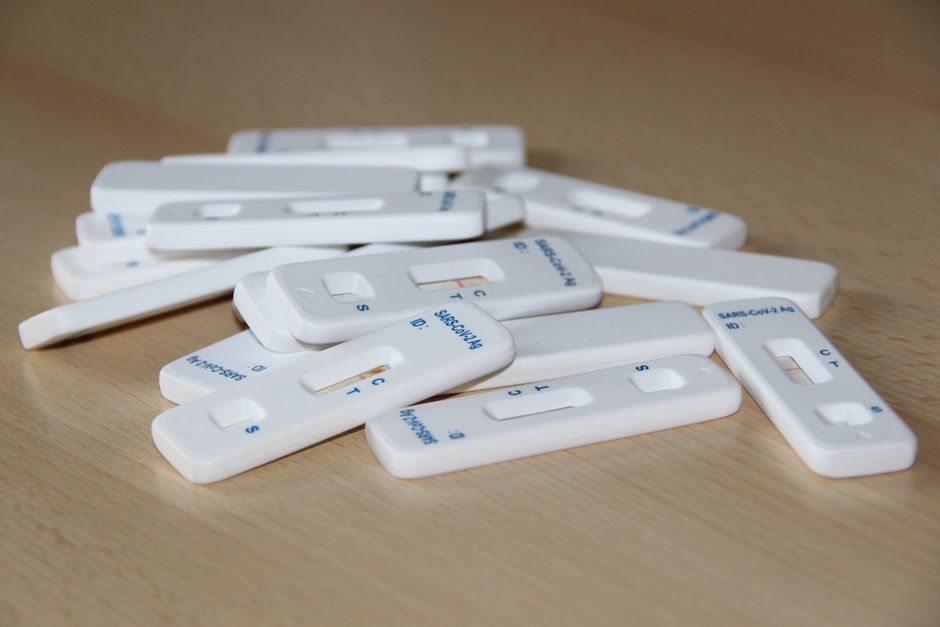
Because your wearable device cannot detect this hormonal dysregulation, you need targeted diagnostic testing. Learning how to track cortisol awakening response requires moving beyond optical sensors and collecting actual biological fluid.
Salivary CAR Test
The most direct method for cortisol awakening response biohacking is a salivary CAR test. The sampling protocol is straightforward:
- Immediately upon waking: Collect your first saliva sample. Do not eat, drink, or brush your teeth first.
- 30 minutes after waking: Collect your second sample. This captures the expected cortisol surge.
- 60 minutes after waking: Collect an optional third sample to map the declining slope.
You can order a salivary cortisol awakening test online to establish your baseline curve without visiting a lab.
DUTCH Test Comparison
Some practitioners prefer a DUTCH test, which uses dried urine to map out the entire circadian cortisol rhythm alongside sex hormones. You can review a thorough DUTCH test accuracy breakdown to decide which methodology fits your tracking style.
| Factor | Salivary CAR Test | DUTCH Test |
|---|---|---|
| Method | Saliva swabs | Dried urine strips |
| What it measures | Free cortisol at specific time points | Cortisol metabolites and clearance pathways |
| Best for | Isolating the morning spike | Full-day rhythm and sex hormone mapping |
| Precision for CAR | High | Moderate |
| Relative cost | Lower | Higher |
Biohacker Protocols to Fix Morning Fatigue After THC Use
Your cortisol is already too high and your tissues have stopped responding to it. Every protocol below targets normalization and rhythm restoration, not stimulation.
The Root Cause: THC Reduction and Endocannabinoid Reset
The single most effective intervention is reducing or eliminating THC intake. Chronic exposure keeps CB1 receptors desensitized and endocannabinoid tone disrupted, perpetuating the HPA axis dysregulation detailed above. Removing exogenous cannabinoids allows your endocannabinoid system to recalibrate its natural gating of cortisol release. The timeline varies considerably based on dose, duration of use, and individual genetics. Cannabis withdrawal research indicates that sleep architecture typically begins normalizing within weeks of cessation. Cortisol rhythm recovery likely follows a similar arc, though this remains a practitioner-extrapolated expectation rather than a directly sourced benchmark.
What to expect during a tolerance break:
Recovery generally follows three approximate phases, though individual timelines vary widely based on usage history and genetics. Use the salivary CAR test described earlier to track your actual progress through each phase rather than relying on subjective feel.
- Acute phase (first few days): Cortisol typically remains elevated and erratic. Sleep onset difficulty peaks, and vivid dreams emerge as REM rebound reactivates suppressed cycles. Expect the widest variability here.
- Stabilization phase (roughly weeks one to two): Cortisol rhythm often starts stabilizing but remains irregular. Morning anxiety may temporarily intensify before improving. Track whether your CAR test shows a more consistent, if still blunted, morning slope.
- Normalization phase (weeks three and beyond): The cortisol curve generally trends toward its natural morning peak and evening taper. Energy levels stabilize and sleep architecture approaches baseline. Continue testing to confirm the rhythm is restoring, not just the subjective sense of feeling better.
Active Users vs Former Users: Different Priorities
| Factor | Active Users (Reducing Dose) | Former Users (In Withdrawal) |
|---|---|---|
| Primary goal | Minimize acute cortisol disruption | Restore natural HPA rhythm |
| Dose strategy | Lower concentration, earlier dosing (4+ hours before bed) | Full cessation |
| Light protocol | Anchors cortisol timing | Accelerates rhythm recovery |
| Timeline | Improvements within days | Full reset may take several weeks or longer based on withdrawal research estimates |
Light and Circadian Anchoring
These interventions are not interchangeable with generic circadian health advice. They directly target the endocannabinoid dysregulation caused by chronic THC exposure. Desensitized CB1 receptors erode the timing precision of your HPA axis, so cortisol releases in chaotic, poorly timed bursts instead of a clean morning surge. Morning light re-entrains that flattened rhythm. Photic input through your retina signals the suprachiasmatic nucleus, which governs HPA axis cortisol timing. By flooding your visual system with bright light immediately upon waking, you may help restore the timing precision that desensitized CB1 receptors degraded. View 10 to 15 minutes of direct sunlight outside within 20 minutes of waking. Follow a structured morning sunlight protocol to reinforce this light-driven HPA re-entrainment.
Morning normalization sequence:
- Within 10 minutes of waking: Get outside for 10 to 15 minutes of direct sunlight. No windows, no sunglasses.
- Within 20 minutes: Drink 16 to 20 ounces of water. Add electrolytes if training that day.
- Within 60 minutes: Light movement like walking or mobility work. This primes nervous system regulation without adding acute stress.
- Within 90 minutes: Delay caffeine until after this window so natural cortisol can function unopposed.
Nervous System Regulation Over Stimulation
The same endocannabinoid mechanism that flattens your cortisol rhythm also damages tissue-level responsiveness. When cortisol stays chronically elevated from frequent THC use, your muscles and brain downregulate glucocorticoid receptors to protect themselves from overstimulation. The interventions below may help restore that receptor sensitivity, addressing the root communication failure rather than masking fatigue.
Cold exposure parameters: A cold shower at 50 to 60 degrees Fahrenheit creates an acute sympathetic challenge that may help restore receptor sensitivity that chronic THC exposure degraded. Start with 30 to 60 seconds and progress to 2 to 3 minutes over several weeks. The brief, controlled stress spike appears to train the nervous system to regulate stress responses more cleanly, potentially rebuilding glucocorticoid receptor responsiveness that chronic elevated cortisol suppressed. Avoid exceeding 3 minutes, as longer sessions risk compounding the systemic stress load on an already strained HPA axis.
Resistance training parameters: Compound movements (squats, deadlifts, overhead presses, rows) performed 2 to 3 times per week appear to support glucocorticoid receptor upregulation in muscle tissue, which is precisely what chronic elevated cortisol downregulates. Working sets of 3 to 4 exercises in the 5 to 8 rep range at moderate to heavy intensity may improve the metabolic signaling pathways that help muscle tissue regain cortisol sensitivity. Keep rest periods between 90 seconds and 2 minutes to avoid layering excessive acute stress on a recovering endocrine system.
Integration note: Layer cold exposure into the morning sequence after step 3 (light movement). Step outside for sunlight, hydrate, move lightly, then finish your morning shower with 60 seconds of cold. This sequencing ensures you do not stack acute sympathetic stressors on top of an already overloaded cortisol curve.
A green recovery score means little if you cannot get out of bed without chemical assistance. Measure your endocrine health directly, normalize your cortisol rhythm through targeted interventions, and stop trusting a wearable to tell you the whole story.
Stay in the loop.
Get the latest posts and exclusive content delivered to your inbox.
Join 22 readers. No spam. Unsubscribe in one click, anytime.
About the author
Dr. Mara Whitfield
Longevity Protocols Lead
Mara translates aging research into protocols people can actually follow. With a background in preventive medicine and years tracking the longevity literature, she writes the healthspan routines, supplement stacks, and testing cadences she runs herself.
Related Posts

Why Sleepmaxxing Backfires and the Minimum Dose That Works
Sleepmaxxing backfires when effort turns into arousal. Learn the orthosomnia loop, the sleep-effort paradox, and a minimum-effective-dose sleep fix.

REM Sleep Optimization and the Neural Energy Myth
REM sleep optimization fails when biohackers chase minutes for brain energy. The neurovascular paradox shows why architecture beats raw REM totals.

Biohacking Sleep Stack to Narrow a 17 Point Quality Gap
High performers rate sleep quality 17 percentage points higher despite similar duration. Discover the mechanisms and build a biohacking sleep stack.