Vagus Nerve Stimulation Reframed As an Effort Modulator
Reframe vagus nerve stimulation from a relaxation gadget to a pre workout effort modulator. Learn the exact dosing and timing for performance recovery.
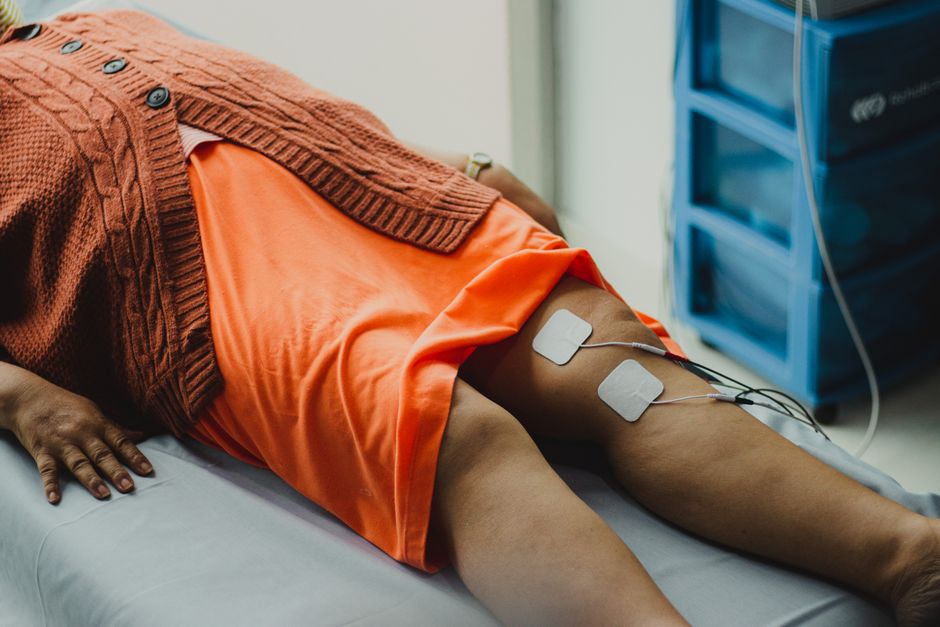
Vagus nerve stimulation is widely sold as a digital chill pill. Consumer brands market non-invasive vagus nerve stimulation purely as a post-workout relaxation tool, leaning into its ability to activate the parasympathetic nervous system. This calming narrative is safe, easy to sell, and completely undersells the technology. By focusing only on acute relaxation, the biohacking community misses the profound impact vagus nerve stimulators have on dopaminergic effort allocation. When used correctly, this technology is a potent pre-session effort modulator and training adherence tool, not just a recovery gadget.
Stay in the loop.
Get the latest posts and exclusive content delivered to your inbox.
Join 22 readers. No spam. Unsubscribe in one click, anytime.
The Flaw in Vagus Nerve Stimulation Marketing
Walk into any biohacking clinic and you will likely see stimulation devices paired with zero-gravity chairs and calming music. Brands rely on the well-documented parasympathetic mechanisms of action that help downregulate stress. While true, this singular focus on relaxation creates a massive blind spot for athletes. If you only use non-invasive vagus nerve stimulation to relax after a workout, you leave your most powerful performance benefits on the table.
Marketing primarily targets the parasympathetic nervous system, ignoring the ascending neural pathways that project directly to the brain's reward circuitry. These specific pathways regulate how much effort you are willing to expend for a specific reward. When you face central nervous system fatigue, your brain artificially inflates the perceived cost of effort. You feel heavy and unmotivated not because your muscles are depleted, but because your brain is restricting dopamine to protect you from overexertion. You need a tool that lowers the psychological friction of hard training.
The Dopamine Connection and Effort Allocation
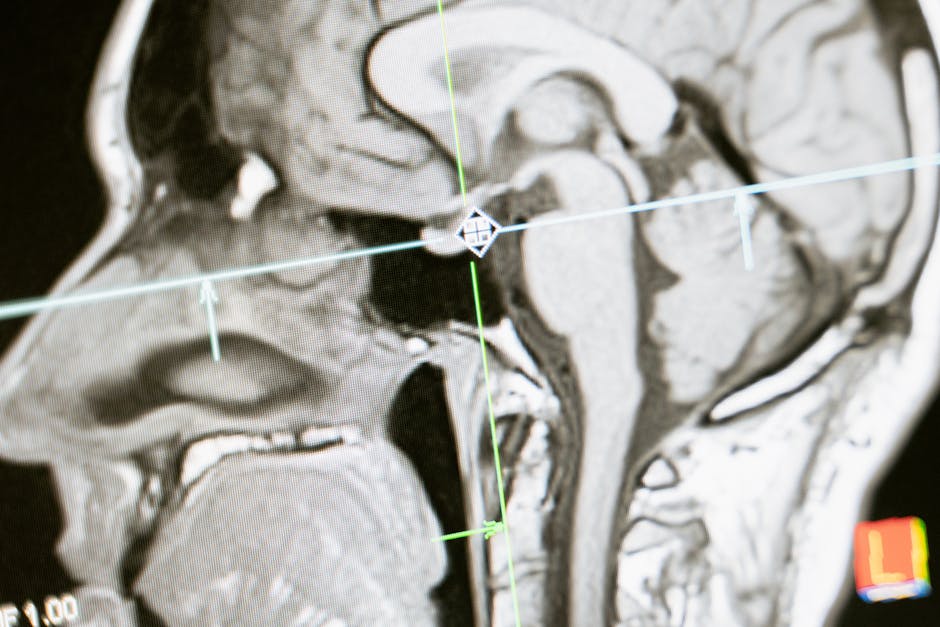
The most promising research comes from an unexpected population: severely depressed patients, whose motivation is typically blunted. Researchers applied transcutaneous auricular vagus nerve stimulation (taVNS) to test whether stimulating the auricular branch of the vagus nerve changes how people allocate effort. Participants chose between an easy hand-grip squeeze at 50% effort and a hard squeeze at 90% effort, with varying reward levels.
Here is where honesty matters. The study's primary analysis found no significant effect. The positive signal appeared only in a secondary analysis of 19 severely depressed participants, measured in a single laboratory session on an artificial motor task. The authors caution about false-positive risk and note that the design cannot demonstrate lasting benefits. This is a preliminary signal, not a proven protocol.
What makes the signal worth pursuing is the underlying mechanism. Vagal afferent fibers project to the locus coeruleus and ventral tegmental area, two brainstem hubs that govern norepinephrine and dopamine release. Functional neuroimaging of reward circuits confirms that auricular stimulation activates these pathways. Dopamine sets the exchange rate between effort and reward in your brain. When signaling is robust, hard work feels worth it. When it drops, your brain inflates the perceived cost of effort and you feel heavy and unmotivated well before your muscles are actually depleted.
The connection between dopamine and performance is well established in athletic science. The hypothesis for athletes is straightforward. If taVNS can acutely shift dopaminergic effort allocation in a lab setting, it might do the same before a training session, making heavy resistance work or intervals feel less cognitively costly. That hypothesis remains untested in athletes and healthy populations, but the mechanism gives a clear rationale for experimenting.
When to Stimulate for Maximum Output
Start with caffeine, because the contrast clarifies what taVNS actually does. Caffeine blocks adenosine receptors, masking the fatigue signal so you feel artificially energized. The hypothesized taVNS effect works differently. By shifting dopaminergic tone, it changes the exchange rate your brain applies between effort and reward. You do not feel jittery. You feel willing. Heavy work feels approachable because your brain has recalibrated the perceived cost, not because it has hidden the cost from you.
This distinction matters for timing. Caffeine has a well-characterized half-life of roughly five hours. The duration of taVNS effects is far less clear, since the lab evidence comes from single-session measurements in clinical populations. A reasonable working assumption is that the acute dopaminergic shift persists for 30 to 60 minutes after the electrodes come off, but treat that as an educated guess rather than a tested parameter. Addressing central fatigue in athletes means hitting that window before your session begins.
Tolerance is an open question. Daily caffeine reliably downregulates adenosine receptors, which is why habitual drinkers need more for the same kick. Whether daily taVNS produces similar receptor adaptation in healthy users is unstudied. Clinical VNS research for chronic conditions suggests effects can persist or even strengthen with regular use, but those involve implanted devices delivering continuous stimulation. For non-invasive pre-workout application, cycling three or four sessions per week rather than daily is a prudent hedge against a risk that may not exist.
Which sessions benefit most? The effort-allocation mechanism should matter most for training dominated by perceived suffering rather than raw force output. High-rep hypertrophy, interval conditioning, and long endurance sets all carry a heavy central component, where your brain actively weighs whether the discomfort is worth continuing. Maximal strength work at one to three reps may benefit less, since the limiting factor is typically force production. Skill-based sessions, where focus and motor learning dominate, are an intriguing but entirely untested application.
Stacking taVNS with other pre-workout compounds is uncharted territory. Stimulants like caffeine already push the sympathetic system hard, and adding a dopaminergic tool on top is a combination nobody has systematically studied. Test taVNS in isolation first, establish your baseline response, then experiment with combinations cautiously. General vagus nerve exercise tips can help structure your approach, though most available guidance targets relaxation rather than performance.
Post-Workout Recovery and HRV Optimization

The relaxation narrative still holds genuine value for post-session nervous system down-regulation. Applying vagus nerve stimulation immediately after training helps shift your autonomic state back toward recovery, which matters for long-term adaptation. Research on HRV recovery and stimulation shows that post-session protocols can favorably modulate heart rate variability, a key marker of parasympathetic rebound. Post-workout stimulation also appears to moderate acute cortisol stress responses, accelerating the shift from sympathetic activation to parasympathetic recovery.
The question of stacking taVNS with cold exposure or sauna use deserves a more careful treatment. Cold plunges produce their hormetic benefits through a sharp sympathetic surge that trains your nervous system to handle stress more efficiently. The theoretical concern is that applying vagus nerve stimulation immediately after exiting the plunge could blunt the catecholamine response that drives those adaptations. This is a plausible mechanistic argument, not an established finding. No published trial has tested whether brief post-plunge stimulation measurably reduces hormetic adaptation in trained individuals. The catecholamine surge from cold exposure is rapid and self-limiting, and it remains genuinely unclear whether 15 minutes of parasympathetic stimulation layered on top meaningfully dampens the full signaling cascade.
As a conservative heuristic, consider waiting at least an hour after an intense thermal stressor before applying recovery-focused stimulation. This gives your body time to process the acute stress naturally. If your priority is maximizing adaptation from cold or heat exposure, that buffer is a reasonable insurance policy, not a proven rule.
Practical Vagus Nerve Stimulation Dosing
The parameters for pre-session effort modulation differ significantly from protocols aimed at acute parasympathetic recovery. If you want to build your protocol, follow established clinical dosing parameters to ensure you actually hit the targeted neural pathways.
The mechanistic difference between these protocols explains their divergent parameters. Pre-session stimulation targets ascending dopaminergic pathways, requiring enough current to reach the brainstem and shift neurotransmitter availability before training begins. Post-session stimulation targets the descending parasympathetic system for autonomic downregulation and heart rate recovery. Different neural targets call for different timing and intensity.
Pre-Session Effort Modulation Protocol
Apply stimulation 15 to 30 minutes before your warmup so the electrical signals have time to reach the brainstem and alter dopamine availability. Aim for 15 minutes of continuous stimulation at an intensity that produces a distinct tingling sensation but never pain. The goal is enhancing central drive and reducing the perception of effort before heavy lifts.
Post-Session Recovery Protocol
Wait at least one hour after your workout so your sympathetic nervous system can cool down naturally. Apply 15 to 20 minutes of stimulation paired with slow, controlled nasal breathing at a gentle, calming intensity. The goal is accelerating heart rate drop and pushing the nervous system into deep parasympathetic recovery.
Protocol comparison:
| Parameter | Pre-Session | Post-Session |
|---|---|---|
| Timing | 15 to 30 min before warmup | 1+ hours after training |
| Duration | 15 minutes | 15 to 20 minutes |
| Intensity | Distinct tingling, never painful | Gentle, calming sensation |
| Goal | Central drive, reduced effort cost | Heart rate drop, parasympathetic shift |
As a practical heuristic drawn from clinical dosing norms rather than a hard physiological limit, sessions exceeding roughly 30 minutes tend to yield diminishing returns. The side effects most commonly reported, mild headaches and a transient groggy feeling, are consistent with the known safety profile of auricular stimulation discussed in the device section below. More current is not always better.
Choosing the Right Non-Invasive Device
The hardware landscape splits into two categories with distinct anatomical targets and use cases. Neck-worn cervical devices deliver current through the skin of the neck, targeting the cervical branch of the vagus nerve. These tend to be the devices that earn FDA clearance for specific clinical indications like cluster headache prevention, and they typically occupy the higher price tier. Ear-targeted devices, the true taVNS form factor, stimulate the auricular branch directly through ear clips or earbud-style electrodes. These are the devices most relevant to the protocols in this article because they directly access the afferent pathways involved in dopaminergic effort allocation.
Within the ear-targeted category, electrode placement matters. The cymba conchae, a small bowl-shaped region in the outer ear, is densely innervated by the auricular branch and is the preferred target per auricular stimulation guidelines. Some devices also target the tragus, the cartilage flap covering the ear canal, which carries vagal fibers but less densely. If your goal is pre-session dopaminergic priming, prioritize devices that allow precise placement on the cymba conchae.
Adjustable current control is non-negotiable for dosing. Without it, you cannot titrate intensity to the sweet spot between effective stimulation and discomfort. Look for devices that let you set current in small increments, typically 0.1 to 0.5 milliamps. The consumer market spans roughly three tiers. Entry-level units at approximately $50 to $150 tend to be fixed-current or very coarse, adequate for basic experimentation. Mid-range options from roughly $200 to $500 typically offer adjustable current and multiple electrode configurations. Clinical-grade devices above $500 provide precise parameter control and more rigorous safety engineering.
TaVNS is generally well tolerated by healthy populations, but review the known safety profile before starting. Mild skin irritation at the electrode site is the most common issue, easily managed with conductive gel. Start at the lowest intensity and increase gradually over the first week as your tolerance builds.
From Recovery Gadget to Pre-Session Tool
Start here: 15 minutes of cymba-conchae stimulation at a tolerable tingling intensity, applied 20 minutes before your warmup, for two consecutive weeks. Track your RPE on your heaviest working sets and note whether the stimulated sessions felt subjectively easier. That single self-experiment will tell you more about whether this protocol works for your nervous system than any lab study currently can.
Stay in the loop.
Get the latest posts and exclusive content delivered to your inbox.
Join 22 readers. No spam. Unsubscribe in one click, anytime.
About the author
Marcus Bao
Strength and Conditioning Coach
Marcus has programmed training for everyone from desk-bound beginners to masters athletes, treating every workout as an experiment with a measurable result. He writes ready-to-run strength, hypertrophy, and Zone 2 programs built around progression you can track.
Related Posts

Which Luxury Gym Recovery Amenities Actually Work
Luxury gym recovery amenities like IV drips and saunas promise faster recovery. Discover which ones actually work and how to replicate them at home.

Cold Plunge Protocol Dosing, Timing, and Recovery Trade-offs
A cold plunge protocol covering temperature, duration, timing, and the recovery-versus-adaptation trade-off you need to know before you get in the tub.
How to Recover From a Bad Night's Sleep and Protect Tonight
How to recover from a bad night's sleep with timed morning light, an earlier caffeine cutoff, a 20-minute nap cap, and a bedtime that protects tonight.