Cold Plunge Protocol Dosing, Timing, and Recovery Trade-offs
A cold plunge protocol covering temperature, duration, timing, and the recovery-versus-adaptation trade-off you need to know before you get in the tub.
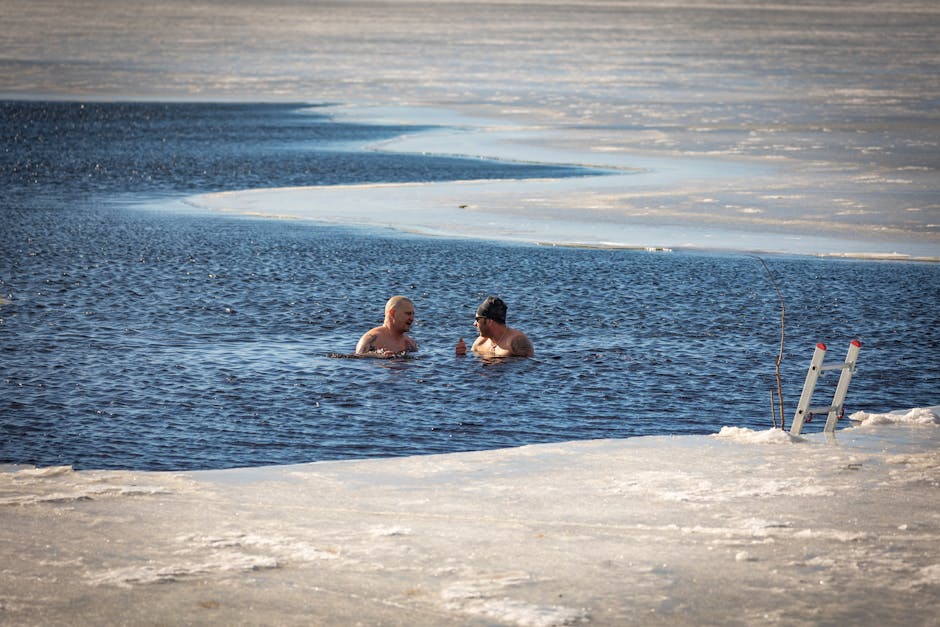
The cold plunge is one of the few recovery tools that genuinely changes how you feel the next day, and that is exactly why it can quietly work against you. Cold water immersion reduces soreness and lets you train hard again sooner, but the same mechanism that dulls inflammation also damps the signaling your body uses to build bigger, stronger muscle. A cold plunge protocol that rescues a tournament athlete between matches can shave real adaptation off a recreational lifter's gains. The variable separating benefit from self-sabotage is dosing, meaning temperature, duration, frequency, and especially timing relative to your training goal.
Stay in the loop.
Get the latest posts and exclusive content delivered to your inbox.
Join 10 readers. No spam. Unsubscribe in one click, anytime.
This article treats cold exposure as a pharmacological dose-response tool rather than a wellness ritual. The goal is a cold plunge protocol keyed to what you actually want to achieve, with calibrated honesty about where evidence is strong and where it is still contested.
The Recovery Versus Adaptation Tension
Most cold plunge marketing lives in the recovery lane, and the evidence there is solid. Cold water immersion reliably lowers perceived muscle soreness and improves subjective recovery markers, which is why team-sport athletes have used it for decades between games. A Cochrane review on muscle soreness found cold water immersion reduces delayed-onset muscle soreness in the 24 to 96 hours after strenuous exercise compared to passive rest.
The catch is that feeling less sore is not the same as recovering better in the sense that matters for adaptation. Objective performance recovery, the ability to reproduce force or power, shows smaller and less consistent effects. When researchers compare cold immersion head to head against active recovery, the performance differences narrow considerably. A cold versus active recovery review notes that the analgesic and perceptual benefits are clearer than the functional ones.
This is the central tension. The inflammation, swelling, and local stress that follow a hard training session are not just damage to be suppressed. They are also part of the signal telling your body to adapt. When you cool tissue and constrict blood vessels right after lifting, you blunt that signal. Faster recovery and greater adaptation are not the same goal, and any cold plunge protocol has to pick a lane or sequence them carefully.
Cold Plunge Dosing Parameters for Temperature, Duration, and Frequency
The mistake almost everyone makes is treating temperature and duration as two independent dials when they are actually a single combined thermal dose: the total heat your body must defend against, integrated over time. A warmer-longer plunge and a colder-shorter one likely deliver a comparable soreness-reduction effect, because the area under the cooling curve is roughly similar across both patterns. Copy a generic number from a top search result and you will mis-dose, because the number never accounts for the person in the tub.
That equivalence breaks the moment you are chasing catecholamine-driven arousal rather than deep muscle cooling. The sharpness of the cold stimulus itself, not just the total thermal load, is what plausibly drives norepinephrine release and the alertness that follows. A 40-degree, 90-second plunge and a 55-degree, 15-minute soak may extract similar total heat, yet only the colder-shorter one produces the rapid sympathetic spike most people recognize as the cold-exposure energy boost.
The other variable nobody mentions is body composition. Lean tissue cools faster than insulated tissue, so a 12 percent body-fat athlete at 50 degrees F is plausibly absorbing a heavier thermal load than a 25 percent body-fat recreational lifter at the same thermometer reading. This is physiological inference rather than a measured trial outcome, but it tracks with what users consistently report: the leaner person is running a larger dose at the same temperature, not demonstrating superior toughness.
Temperature
The research literature on cold water immersion recovery concentrates in the 11 to 15 degrees C range, roughly 52 to 59 degrees F. An immersion protocol systematic review supports this band as a reasonable default for soreness reduction across resistance, endurance, and team-sport contexts. Colder is not automatically better. The marginal benefit shrinks fast past the mid-50s F, and the risk curve steepens.
| Goal | Temperature band | Duration | Notes |
|---|---|---|---|
| Soreness reduction | 52 to 59 F | 10 to 15 min | The well-studied recovery dose; warmer water held longer |
| Acute arousal and alertness | 40 to 50 F | 1 to 3 min | Sharp stimulus drives catecholamine release; colder-shorter works here |
| Habituation and tolerance building | 50 to 59 F | 2 to 5 min | A gentler entry point; ramp down over weeks |
Duration
The ideal plunge duration depends on temperature and goal, and the two are coupled rather than free-floating. For recovery, 10 to 15 minutes in the mid-50s F is the well-studied dose. For a colder, shorter exposure aimed at the acute arousal response rather than deep muscle cooling, 1 to 3 minutes is typical. Going past 15 minutes in genuinely cold water adds risk without extra benefit. If you are choosing between colder-shorter and warmer-longer for soreness, both can work. If you are chasing the alertness and mood response, only the colder-shorter path delivers the sharp sympathetic stimulus that produces it.
Frequency
Cold plunge frequency for recovery should track your training density, not a fixed daily quota. Two to four sessions per week is plenty for most recreational athletes. Daily plunging is reasonable only when each session is short and you are not using cold to suppress post-lift inflammation you actually want. The same timing principle applies: every plunge within hours of lifting is a vote against the inflammatory signal you just generated. On training days where adaptation matters, skip the plunge or move it to the morning. On rest days or during tournament weeks, daily plunging carries no such trade-off. A four-day split training Monday, Tuesday, Thursday, and Friday pairs well with plunges on Wednesday and Saturday mornings. Two sessions per week, both on non-lifting days, delivers recovery benefits without blunting any training signal.
Terminology
The same thermometer reading can deliver a different thermal dose depending on water movement, immersion depth, and body surface covered. A study reporting 50 degrees F in a circulated tank with full-body immersion to the neck cools tissue faster and deeper than 50 degrees F in a static home tub where your body warms the boundary layer against your skin and the tissue temperature never drops as far. The International Thermal Commission distinguishes cold from cool and temperate water on a standardized scale so researchers describe reproducible conditions. The practical rule: if your water is still and you are submerged only to the chest, your effective dose is lighter than the study protocol delivered at the same reading. Add agitation, submerge fully, and use your post-immersion shiver as a better proxy for thermal load than the display number.
Timing Cold Exposure Relative to Training
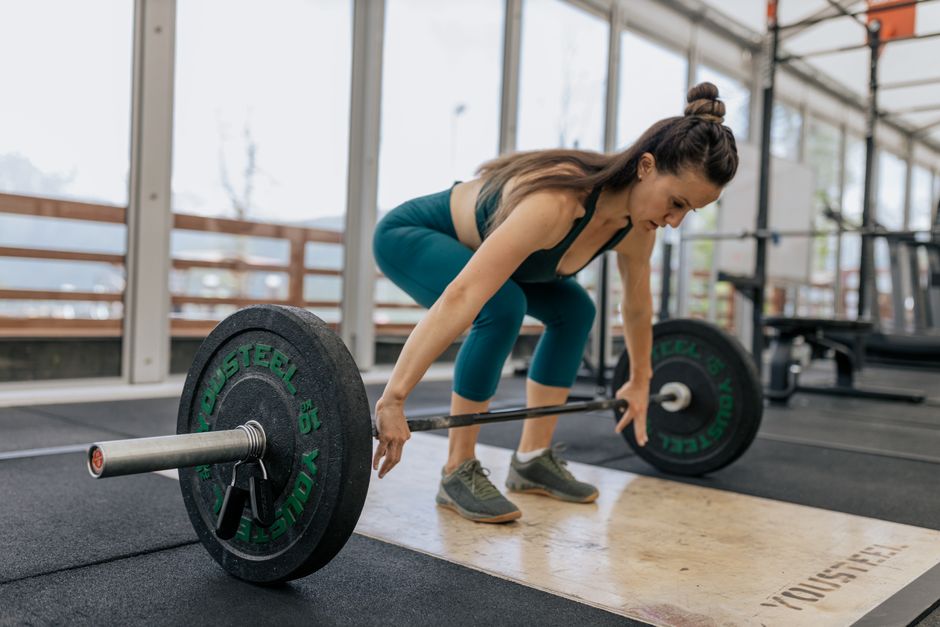
Timing is the single biggest variable, and it is the one most biohackers mishandle by plunging the moment they finish a workout.
Immediate Post-Resistance-Training Immersion
This is the high-risk window. The Mawhinney limb blood flow study documents how quickly immersion reduces peripheral circulation after resistance exercise. That drop in perfusion is well established and explains part of why cold dulls soreness. What that study did not measure is whether the same reduction in blood flow, and the blunted inflammatory signaling that follows, actually suppresses hypertrophy over a training cycle. That adaptation concern comes from separate longitudinal work examined later in this article. The mechanism connecting reduced perfusion to blunted gains is plausible and widely suspected, but it is an inference drawn across studies, not a conclusion from any single blood-flow measurement.
Delayed Immersion After Lifting
If you want the recovery benefit without blunting gains, wait. Most practitioners recommend separating cold exposure from lifting by at least several hours, and waiting until the next morning is safer still for a recreational lifter whose primary goal is muscle growth.
Endurance and Repeated-Effort Sport
The calculus flips. For endurance athletes and team-sport players who need to perform again within hours or a day, cold water immersion recovery research supports prompt immersion to restore perception and readiness for the next session. Here the adaptation you are chasing is performance repeatability, not hypertrophy, so the anti-inflammatory effect is a feature rather than a bug.
Competition Windows
Between matches, heats, or tournament days, plunge aggressively. The goal is to feel fresh and reduce soreness now, with no thought to long-term muscle growth. This is the one setting where the popular instinct to get in immediately and stay cold is correct.
Does Post-Workout Cold Blunt Hypertrophy?
This is the most important and most over-simplified question in the cold exposure conversation. The honest answer is yes, probably, but the magnitude and the conditions matter enormously.
The landmark concern comes from Roberts and colleagues, whose longitudinal work found that cold water immersion after resistance training reduced hypertrophic and strength gains compared to active recovery over a multi-week training block. The Roberts cold immersion adaptation study is the reference most critics cite, and it is genuinely cautionary. The cold group built less muscle and gained less strength doing the same training.
That said, the effect size and its generalizability remain debated. A Wilson hypertrophy meta-analysis tempers the alarm, noting that much of the blunting evidence comes from protocols using immediate, full-body immersion after every session. That is a more aggressive dose than most recreational users apply. The risk is real, but it is dose- and timing-dependent rather than categorical.
What this means in practice: if you lift to build muscle or strength, treat immediate post-workout cold as something to avoid, not something to optimize. The cleanest heuristic is to separate cold exposure from resistance training by several hours, ideally by a full day. You keep the recovery and mood benefits of cold exposure without stepping on the adaptation signal you just spent an hour generating.
A useful frame is to ask what you are trying to preserve. A tournament athlete is preserving readiness for the next bout. A hypertrophy-focused lifter is preserving the inflammatory signal that drives muscle protein synthesis and remodeling. The same plunge can serve one and undermine the other, which is why timing, not temperature, is the lever that matters most.
Cold Plunge Protocol Templates by Training Goal
Use these as starting points and adjust to your own cold tolerance and recovery needs.
| Profile | Temperature | Duration | Timing vs training | Frequency |
|---|---|---|---|---|
| Tournament or multi-event athlete | 50 to 59 F | 10 to 15 min | Immediately after, between events | Daily, as needed |
| Endurance or team-sport athlete | 50 to 59 F | 10 to 15 min | Within 1 hour of session | 3 to 5 per week |
| Recreational lifter (hypertrophy) | 45 to 55 F | 2 to 5 min | 4 to 24 hours after, or rest days | 2 to 3 per week |
| Longevity-focused generalist | 40 to 50 F | 1 to 3 min | Mornings, away from training | 3 to 5 per week |
Tournament athlete. Scale plunge aggressiveness to the inter-event gap, not to a fixed number on the dial. A short window between matches calls for the warmer end of the range, around 55 to 59 F, held for the full 10 to 15 minutes: enough soreness reduction without the deep tissue cooling that can leave you feeling stiff and heavy for the next bout. An overnight gap lets you push colder and shorter, because you have hours to rewarm before competing again and the deeper cooling clears more soreness by morning. Sleep, hydration, and glycogen replenishment still matter more than marginal cold tuning.
Recreational lifter. The trap nobody warns you about is habituation. The same 50 degrees F that feels savage at week 1 feels manageable by week 6, and that dampened response is not purely beneficial. Your cold shock reflex has adapted, which means a smaller catecholamine spike and less of the arousal effect you are actually chasing. Re-dose every two to three weeks by dropping the temperature 2 to 3 degrees or adding 30 to 60 seconds, restoring the stimulus intensity your nervous system has stopped registering as novel. A Huberman-style cold exposure guide reframes cold as a short, sharp, morning exposure aimed at mental focus rather than post-workout muscle recovery, which fits this profile far better than the ice-bath-after-leg-day habit.
Longevity-focused generalist. Timing matters as much as temperature here, and the reason is sleep onset. Cold exposure produces a cold-induced norepinephrine release and a sympathetic surge that can elevate alertness for an hour or more afterward. Plunging in the evening may push back sleep onset by keeping your autonomic nervous system tilted sympathetic when it should be shifting into its parasympathetic nighttime mode. Morning dosing sidesteps that conflict entirely and may sharpen the daytime arousal curve you are trying to build. The acute physiological effects are real and measurable. What remains unproven is whether they accumulate into durable longevity benefits in humans, so treat this as a practice with a sound mechanism and an open question on the long-term payoff.
When to Skip the Plunge and Common Mistakes
Some readers should not plunge at all, or should do so only with care.
Cardiovascular risk. Cold immersion spikes sympathetic output and blood pressure on entry. A cold immersion contraindications review flags cardiovascular disease, uncontrolled hypertension, and certain autonomic conditions as reasons to avoid unsupervised cold exposure or clear it with a clinician first. The entry shock is not a feature for a compromised cardiovascular system.
Cold showers are not a substitute. A cold shower versus immersion study makes the point that a cold shower is a weaker stimulus: less body surface covered, less sustained vasoconstriction, and a smaller thermal load. Showers are fine for habit building and mood, but they do not replicate immersion dosing, so do not assume a cold shower gives you the recovery benefits cited in the immersion literature.
The most common dosing mistakes.
- Plunging immediately after every lift, which is the single biggest threat to hypertrophy-focused readers.
- Chasing colder water past the point of diminishing returns, adding risk without extra benefit.
- Staying in beyond 15 minutes, pursuing toughness instead of a dose.
- Confusing reduced soreness with better adaptation, and using cold to paper over chronically under-recovered training.
- Ignoring individual tolerance, when cold response varies sharply by body composition, sleep quality, and current stress state.
Cold exposure is a useful, well-studied tool for certain goals and a quiet drag on others. The cold plunge protocol that works for you is the one matched to what you are actually trying to build, dosed honestly, and timed to keep recovery and adaptation from stepping on each other.
Stay in the loop.
Get the latest posts and exclusive content delivered to your inbox.
Join 10 readers. No spam. Unsubscribe in one click, anytime.
About the author
Jordan Reyes
Registered Dietitian
Jordan ditched diet dogma for metabolic health, running continuous glucose monitors and food journals to see what actually moves the needle. He writes nutrition and supplement protocols grounded in evidence, not influencer trends.
Related Posts

Home Sauna Running Cost per Session vs the Gym Lounge
Home sauna running cost, cold plunge electricity, and water care priced per session, with break-even math showing when a home setup beats the gym lounge.

Contrast Therapy Protocol for Sauna and Cold Plunge Rounds
A dosed contrast therapy protocol for the bathhouse, with sauna and plunge temperatures, round counts, heat-to-cold ratios, and timing around training.
Vagus Nerve Stimulation Reframed As an Effort Modulator
Reframe vagus nerve stimulation from a relaxation gadget to a pre workout effort modulator. Learn the exact dosing and timing for performance recovery.