Home Sauna Running Cost per Session vs the Gym Lounge
Home sauna running cost, cold plunge electricity, and water care priced per session, with break-even math showing when a home setup beats the gym lounge.

Multiply the heater wattage by your electricity rate. That is the entire local news playbook for home sauna running cost, and it produces the wrong purchase decision every time, because the kilowatt math is real and also the smallest number on the page. Priced honestly, per session at the frequency you actually train, a home recovery lab's dominant cost is the purchase price amortized over its life. The trap lives in exactly one place: the chiller based cold plunge, the only piece where electricity and water care can rival the hardware cost inside five years.
Stay in the loop.
Get the latest posts and exclusive content delivered to your inbox.
Join 43 readers. No spam. Unsubscribe in one click, anytime.
This article builds the full model from four inputs, prices each modality per session, and finds the break-even frequencies where a home setup beats a recovery lounge membership. The short version: red light pays off in months, the sauna takes years, and at two sessions a week the plunge often never pays off at all.
What the Home Recovery Sticker Shock Misses
The sticker shock genre has a formula. Interview a new plunge owner, flash the forty-dollar monthly chiller bill, cut to the five-figure purchase price, and let the audience conclude the gym had it right all along. The ongoing numbers are usually accurate. The conclusion is not, because the segment prices ownership as a monthly expense while ignoring the two variables that dominate it, the money already spent and the session count that divides it.
Run the ownership math and the three pieces of a contrast protocol reveal three different cost structures:
- Infrared sauna: purchase dominated. Hardware amortization runs roughly five times its electricity cost per session.
- Red light panel: nearly free to operate. Electricity is cents per session and the LEDs outlive the mount.
- Chiller plunge: the outlier. It bills you around the clock whether you use it or not, and five years of energy plus chemicals can approach the purchase price itself.
So the honest unit is dollars per session at your weekly frequency, and the better question is when a home sauna pays for itself, not how much it costs to run. Both get answered below with numbers you can replace with your own.
The Four Input Cost Model
Every figure in this article comes from four inputs per device:
- Amortized purchase. Sticker price divided by realistic service life.
- Energy per session. Kilowatt draw multiplied by powered hours, priced at your rate.
- Consumables. Filters, chemicals, and the occasional heater element, annualized.
- Sessions per year. Weekly frequency times 52, the lever that moves everything.
cost_per_session = (purchase / life_years / sessions_per_year)
                 + (kwh_per_session * electricity_rate)
                 + (consumables_per_year / sessions_per_year)
The national average residential rate has been running near 16 to 18 cents per kWh in recent EIA residential price tables, but the only rate that matters is the one printed on your bill, since state spreads are wide enough to change the verdict on a traditional heater. The worked example below uses 17 cents and mid-range gear:
| Worked example | Infrared sauna | Chiller plunge | Red light panel |
|---|---|---|---|
| Purchase price | $2,000 | $3,000 (tub plus chiller) | $500 |
| Service life | 10 years | 5 years | 10 years |
| Draw | 1.6 kW | cycles 24/7 | 200 W |
| Energy per session | ~1.5 kWh | frequency independent | ~0.03 kWh |
| Consumables | ~$30/year | ~$180/year | effectively none |
These are mid-range dollars, not luxury gear, and every line is a dial you can turn. The conclusions survive most reasonable settings, which is the point of showing the wiring.
Home Sauna Running Cost per Session, Infrared vs Traditional

Infrared cabins are light on the grid. Typical units draw 1.5 to 2 kW, and retailer breakdowns of infrared sauna electricity usage land near 1.5 kWh for a 45 minute session including warmup. At 17 cents per kWh that is about a quarter per session, well under a dollar even in expensive states.
Traditional electric rock heaters are a different animal. Sizing guidance for electric sauna heater sizing puts serious home units at 6 to 8 kW, and they burn most of that during a 30 to 45 minute warmup before you sit down. Count the full cycle and a session costs 10 to 12 kWh, roughly $1.70 to $2.00 at the average rate, and several dollars in states where residential rates approach 30 cents. The heater type gap is real money every month, yet it still does not change the verdict.
The verdict changer is purchase price. A $2,000 cabin over ten years at three sessions a week costs $1.28 per session in hardware alone, five times its electricity. Swap the infrared for a traditional build at the same price and your total moves from about $1.73 to roughly $3.30 per session, painful but still far under lounge drop-in rates. Sauna maintenance cost barely registers: heating elements last years and run $50 to $150 to replace, and wood care is a bottle of cleaner annually. Budget $20 to $40 a year and forget about it.
Cold Plunge Cost per Session, Chiller Watts and Water Care
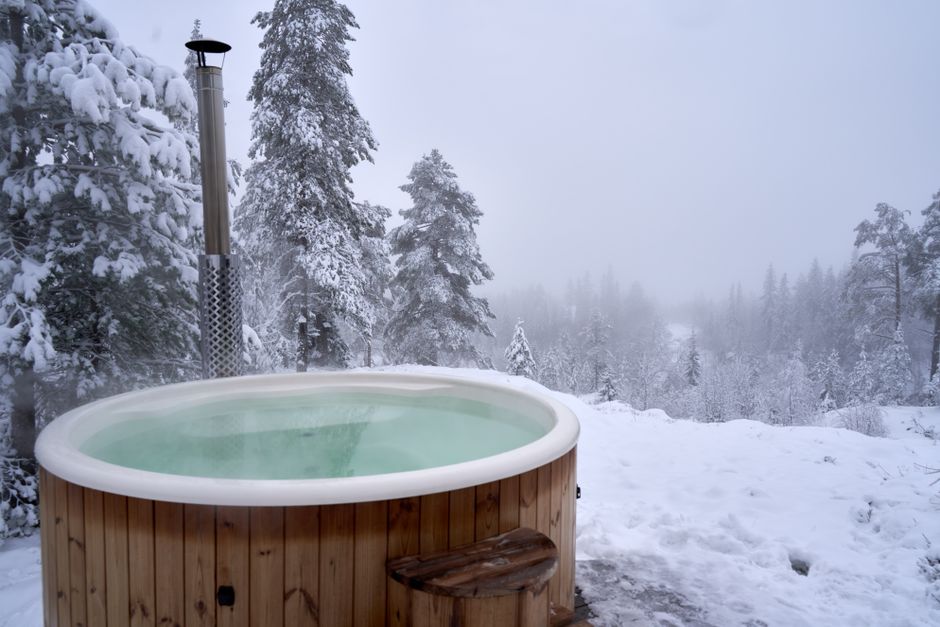
How much electricity does a cold plunge chiller use per month
A chiller is a small heat pump fighting ambient heat 24 hours a day to hold water near 3 to 10 degrees C. Owner reports cluster between roughly $30 and $90 a month depending on climate, tub insulation, setpoint, and whether the unit lives indoors or bakes on a patio. Federal DOE pool heater guidance flags held-temperature spa water as a major household energy load for the same reason. The structural point for the model: the bill is frequency independent. Two sessions a week or seven, the chiller invoices you daily.
Water chemistry, the cadence first-time buyers miss
Cold plunge cleaning schedule care is more forgiving than hot tub chemistry, but not optional. Plan on weekly filter rinses, filter replacement every four to eight weeks at $10 to $25, sanitizer dosing as directed, and a full drain and refill every one to three months. That answers the question every new owner asks in month two, how often to change cold plunge water and filters, and the honest cost split is lopsided: chemicals and filters run $15 to $25 a month while the water itself is a rounding error. Even a 100 gallon monthly refill costs a couple of dollars at typical municipal rates; the EPA's household water affordability data is the sanity check if you want to price your own.
Add it up and the plunge is the only piece where operating cost rivals hardware. Energy plus care over five years runs roughly $2,700 to $6,900 against a $3,000 purchase, and in a hot climate with an outdoor tub the power bill alone can exceed the tub. Nothing remotely similar happens to the sauna or the panel, which is exactly where sticker shock coverage fumbles: it scares you with the one device where the fear is justified, while ignoring where the money actually goes.
Red Light Panel Cost per Session
Panels are the cheap date of the recovery lab. Specs for red light panel wattage run roughly 100 to 300 W, a ten minute session costs 0.02 to 0.05 kWh, and the charge is under a cent to a few cents. Manufacturers commonly rate the LEDs for 50,000 hours or more; at three sessions a week you log about 26 hours a year, so replacement is decades away.
Strip out fantasy operating costs and the per-session number is almost pure amortization: $500 over ten years is $50 a year, or 32 cents per session at three a week and 48 cents at two. Even the cheapest lounge red light session costs many times that, which is why the panel is the first piece that pays off and the easiest yes in the build.
Home Lab vs Recovery Lounge per Session
Recovery lounges typically sell monthly memberships in the $100 to $200 range plus drop-in rates around $25 to $40, and published recovery lounge pricing pages show the structure. Set that against the model:
| Per session | 2/week | 3/week | 5/week |
|---|---|---|---|
| Sauna (infrared) | $2.47 | $1.73 | $1.14 |
| Chiller plunge | $10.96 | $7.31 | $4.38 |
| Red light panel | $0.49 | $0.33 | $0.20 |
| Home bundle total | $13.92 | $9.37 | $5.72 |
| Lounge at $150/month | $17.25 | $11.55 | $6.90 |
| Lounge at $200/month | $23.00 | $15.40 | $9.20 |
Two things jump out. The bundle beats the $150 membership at every frequency, but at two sessions a week the margin is thin and the plunge is carrying $11 of the bill. Cut the plunge and the contrast therapy at home cost drops to about $2.96 per session at two a week, a sixfold win. Frequency helps both sides, since the lounge's per-session price also falls with attendance, but it helps the home side more: your purchase price divides into more sessions while the membership fee does not grow.
One honesty note. The lounge price usually buys compression boots, variety, and someone else sanitizing the tub. If you use those, price them in before canceling.
Break Even Thresholds by Weekly Frequency
Break even against a flat membership is simple division: purchase price divided by annual lounge spend minus annual operating cost. Frequency barely touches it, because a flat fee does not grow with use. Against per-visit pricing, frequency is everything.
| Break even, $5,500 bundle | vs $150/mo | vs $200/mo | vs $35 drop-in |
|---|---|---|---|
| 2 sessions/week | ~4.6 years | ~3.1 years | ~1.8 years |
| 3 sessions/week | ~4.6 years | ~3.1 years | ~1.1 years |
| 5 sessions/week | ~4.7 years | ~3.1 years | ~0.7 years |
The membership column is the honest answer on when a home sauna pays for itself: roughly three to five years at two to three sessions a week across the typical band. At four to five sessions a week, most people have left flat pricing anyway, through session packs or booking friction, and against $35 a visit the bundle breaks even in well under two years.
Underneath it all sits the frequency lever. Double from two to four sessions a week and the amortized hardware component of per-session cost halves, from $5.77 to $2.88 on the plunge and $1.92 to $0.96 on the sauna. No brand decision or price tier moves a per-session number that much. Frequency is the biggest variable you control.
The piece that fails at low frequency
At two sessions a week the chiller plunge costs $10.96 per session at home on top of $3,000 of capital, and the alternatives are cheaper. A gym or studio plunge drop-in runs $10 to $15 a visit, so savings hover near zero. Bagged ice for a stock tank runs $10 to $20 per session unless you have a bulk source. The ice bath vs chiller plunge cost comparison actually favors a third option at low frequency: the chest freezer conversion, $300 to $600 of hardware plus $5 to $10 a month in electricity, which runs the chiller math in miniature. A dedicated chiller only clears its own break even at four or more weekly sessions, or when the convenience premium is worth paying, because at two it usually fails to pay off before the chiller itself needs major service.
Run Your Own Numbers and Pick a Buy Order
your_rate       = the kWh price on your utility bill
your_sessions   = honest weekly count * 52
amortized       = purchase / life_years / your_sessions
energy          = kwh_per_session * your_rate
care            = annual_consumables / your_sessions
session_cost    = amortized + energy + care
break_even_yrs  = total_purchase / (annual_lounge_spend - annual_operating)
Four inputs to gather before you trust any output, including this article's:
- Pull your electricity rate off the bill. State spreads flip the traditional heater verdict.
- Count sessions honestly, from your last six weeks of actual behavior, not your ambition.
- Estimate the chiller by placement: indoor insulated tub toward $30 a month, outdoor in heat toward $90.
- Price your real alternatives, including the gym you already pay for and its plunge access.
Then buy in the order the math hands you:
- Red light panel first. It pays off at any frequency, costs cents per session to run, and beats lounge per-session pricing immediately.
- Sauna second, once you are honestly at three or more sessions a week. Purchase amortization dominates the home sauna running cost line, so frequency is what makes it cheap; at two a week it still wins per session, just slowly.
- Chiller plunge last. Justified at four or more weekly sessions, or when 5 a.m. access is worth the premium. Below that, a freezer conversion or someone else's tub is the rational buy.
And keep the membership when you train under two sessions a week, or when compression, variety, and zero upkeep are worth real dollars to you. The sticker shock segment was half right: there is a device in the home lab whose utility bill can eat its purchase price, and it is the plunge, not the sauna. Frequency, not the sticker, decides whether any of this pays. Buy in that order and the lounge becomes your backup instead of your default.
Stay in the loop.
Get the latest posts and exclusive content delivered to your inbox.
Join 43 readers. No spam. Unsubscribe in one click, anytime.
About the author
Elena Park
Sleep and Recovery Specialist
Elena has spent a decade helping people fix their sleep and recover faster, pairing wearable and HRV data with the cold, heat, and breathwork protocols she tests on herself first. She writes recovery routines that hold up under real, busy lives.
Related Posts
Which Luxury Gym Recovery Amenities Actually Work
Luxury gym recovery amenities like IV drips and saunas promise faster recovery. Discover which ones actually work and how to replicate them at home.

Red Light Therapy Protocol Built on Real Dose Math
Build a red light therapy protocol on real dose math: wavelength-to-depth matching, panel irradiance at true distance, and timing around training and sleep.
Home Cold Plunge Buying Guide Built on Chiller Math
A home cold plunge buying framework: match chiller size to tub volume, master water care, estimate running cost, and plunge safely without a brand roundup.