Best Sleep Position by Symptom, With a Retraining Plan
Find your best sleep position for reflux, snoring, or shoulder pain, plus the mechanisms, graded claims, and a retraining plan that finally sticks.
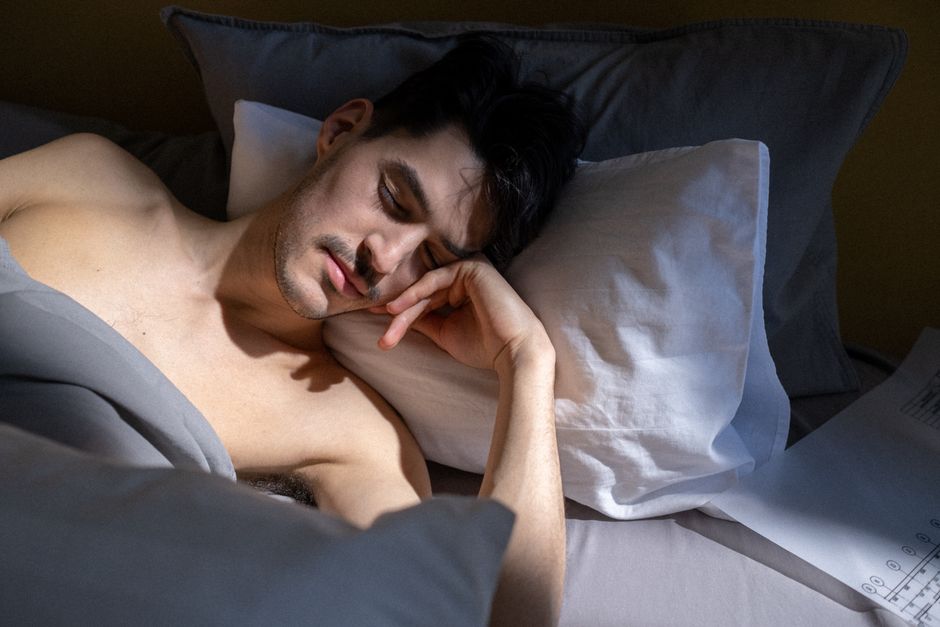
In a survey of 1,006 side sleepers, 57 percent slept with an arm tucked under the pillow or head, and the average respondent reported switching sides about four times a night. Most of them treat that arrangement as settled preference. Readers who already dose magnesium and track HRV make the same mistake: the best sleep position gets treated as a personality trait when it is really a solvable engineering problem. Position behaves like a supplement you forgot you were taking, complete with a dose (which side), a delivery question (can you hold it past 2 a.m.), and side effects (the shoulder absorbing the load).
Stay in the loop.
Get the latest posts and exclusive content delivered to your inbox.
Join 43 readers. No spam. Unsubscribe in one click, anytime.
The engineering is worth doing, because position works through mechanisms you can verify. Left-lateral geometry measurably dampens nocturnal reflux. Lateral posture keeps the airway open in positional sleep apnea. Pillow-height math rescues side-sleeper shoulders. Meanwhile, viral claims like left-side lymphatic drainage collapse under a minute of scrutiny, which frees you to ignore them. The binding constraint is motor habit, since your body repositions itself all night without consulting you. So the plan below runs in the order that works: match the position to your dominant symptom, build the setup that makes it tolerable, retrain the habit over 3 to 4 weeks, then measure the result and recognize when an apnea screen is the real next step.
What Each Position Actually Does Overnight
You cannot dose what you do not understand, so here is the mechanism for each of the four positions in one pass.
Left side versus right side
The stomach is asymmetric. It sits mostly left of the midline, and the esophagus enters it from the upper right. Lying on your left side hangs the stomach below the esophageal junction, so refluxed acid has to climb against gravity. Roll onto your right side and the junction dips below the acid pool instead. Controlled trials comparing sleep sides have repeatedly favored the left for nocturnal reflux, with fewer and shorter acid exposures. The effect is real but modest, and it stacks with head-of-bed elevation rather than replacing it. That reflux geometry is the one left side sleeping benefit with solid human data behind it; the drainage mythology gets graded later.
One subposition matters too: the tight fetal curl. Hiking the knees rounds the lumbar spine for hours, and the survey's straight-leg sleepers reported the least morning soreness of any leg configuration.
Back sleeping
Supine is neutral for the spine and hostile to a collapsible airway. Gravity settles the tongue and soft palate backward, so snoring usually peaks on the back and apnea events cluster in supine stages. For the spine itself, a small pillow under the knees flattens the lumbar curve and spreads load evenly, which suits many people with isolated low-back pain.
Stomach sleeping
Prone trades airway for spine. Breathing forces you to rotate and extend the neck to one side for hours, loading the cervical joints and stretching the opposite neural structures, while the lumbar spine sags into extension on a soft mattress. Stomach sleeping is commonly linked to waking neck pain, though long-term outcome data are limited and tolerance varies widely.
Match the Best Sleep Position to Your Symptom
There is no universal winner. The best sleep position is a per-person match between geometry and dominant symptom, and the table is the short version of that match.
| Dominant symptom | First choice | Fallback | Setup that makes it work |
|---|---|---|---|
| Nighttime reflux | Left side | Back with bed elevated, only if you never snore | Wedge or 6 to 8 inch lift plus a 3 hour eating buffer |
| Snoring or positional apnea | Either side | Side plus a supine blocker | Body pillow behind the back, trainer if needed |
| Sore bottom shoulder | Same side, rebuilt | Flip sides for 2 weeks | Shoulder-width pillow plus a hugged pillow |
| Back pain | Side, straighter legs | Back with knee bolster | Pillow between the knees, pelvis neutral |
| Neck pain from prone sleep | Side with hugged pillow | Back | Barrier in front, low-loft pillow |
Reflux and nighttime GERD
Does sleeping on your left side help acid reflux? In controlled settings, measurably yes, with fewer and shorter overnight acid exposures than the right side produces. Treat the best sleeping position for nighttime GERD as a stack rather than a single switch: left-lateral posture, a wedge or 6 to 8 inches of head-of-bed lift, and a 3 hour buffer between dinner and lights out. NIDDK guidance on GERD lists those same lifestyle levers alongside medication. Left-side sleeping will not replace a prescribed PPI, but it reduces how often your esophagus gets tested at 3 a.m.
Snoring and sleep apnea
Sleep positions for sleep apnea reduce to one rule: keep the airway off its back. Positional OSA is conventionally defined by a supine apnea-hypopnea index at least double the non-supine value, and supine versus lateral AHI data indicate this phenotype covers a large share of obstructive apnea cases. For that group, staying lateral can cut event counts substantially, sometimes enough to matter clinically, with zero hardware. If your apnea is moderate or severe, treat side sleeping as a lever on the machine rather than a repair, and read the escalation section twice. For ordinary snoring, lateral posture often quiets the room enough that a partner notices within a week.
Side sleeping shoulder pain
The bottom shoulder carries body weight on the smallest contact patch in the body, usually with an arm wedged beneath it, which is precisely the 57 percent habit from the survey. The pain is contact pressure plus misalignment, and both respond to setup rather than to abandoning side sleeping: pillow height matched to shoulder width so the neck stays neutral, a hugged pillow to float the top arm forward, and a temporary flip to the other side while the sore one recovers. The survey found left-side sleepers slightly more likely to wake with shoulder soreness than right-side sleepers, 14 percent versus 11 percent. Treat that as a nudge toward better geometry, not a verdict against the left, because setup dominates side choice.
Sleep posture and back pain
Back pain answers to pelvis position more than to side choice. Side sleeping with a pillow between the knees squares the pelvis and stops the lumbar spine from rotating all night; straighter legs beat a tight curl. Back sleepers get a parallel fix by sliding a pillow under the knees. Stomach sleeping is the one posture with no good back-pain patch, because the lumbar sag is built into it.
How to stop sleeping on your stomach
Stomach sleeping is usually a search for two sensations: pressure on the torso and a flat face position. You can replace the first. A firm pillow hugged against the chest supplies the torso contact prone sleepers crave while you rotate onto a side, and a low-loft pillow keeps the neck from cranking during the transition. The barrier work in the retraining section handles the rest. Is sleeping on your stomach bad for your neck? Commonly yes, from hours of combined rotation and extension, but honest long-term outcome evidence is thin, so frame it as a morning-comfort problem rather than documented damage.
Viral Sleep Position Claims, Graded
The left side sleeping lymphatic drainage story is the clearest example of anatomy mistaken for evidence, and it grades well alongside its neighbors.
| Claim | Verdict | Why |
|---|---|---|
| Left-side sleeping drains your lymph | Unproven | Built from one fact: the thoracic duct returns lymph to veins on the left of the neck. No human outcome trial tests whether lying left changes clearance, and lymph moves via muscle pumps, breathing, and one-way valves rather than static posture. Keep the left side for reflux. |
| Left-side sleeping strains the heart | Overstated | Traces to observations that heart-failure patients often settle right-side down. That describes failing hearts, not healthy ones. With diagnosed heart failure, ask your cardiologist; otherwise there is no good reason to fear the left. |
| Stomach sleeping is always worst | Partly true | For the neck, plausibly. Prone loads the cervical spine in rotation and extension, and research on prone neck position links it to morning pain. Long-term harm data are limited, and some people tolerate it for decades. |
| Alternating sides adds sleep | Correlation only | The survey found side-switchers averaging 7.1 hours versus 6.8 for one-side sleepers. Comfortable people fidget less and sleep longer; causality could run either way. |
The pattern generalizes. Anatomy plus mechanism earns a hypothesis; mechanism plus human outcome data earns a recommendation. Only the reflux and airway claims clear the second bar, which is where this article spends its words.
Pillow Geometry and Support Placement

The position is the drug and the setup is the delivery system, and most failed position changes are delivery failures. Five adjustments do most of the work.
- Head pillow height.Ergonomics research on pillow height ties alignment-appropriate loft to less waking discomfort, and the best pillow height for side sleepers with shoulder pain is whatever fills the ear-to-mattress gap exactly. Too low tilts the head toward the mattress, too high cranks it away, and both load the neck all night.
- Hugged pillow. Floats the top arm forward and opens the chest, replacing the tucked-arm habit that numbs hands by morning.
- Knee pillow. Keeps the pelvis squared and the lumbar spine unloaded. About 31 percent of surveyed side sleepers already use one.
- Body pillow as anchor. Behind the back it blocks rolling supine, the apnea and snoring play. Along the front it blocks rolling prone, the stomach-sleeper play, while giving the hug arm a job. Anchoring, not softness, is its real function.
- Bed elevation. Six to 8 inches via blocks or a wedge for reflux, stacking with left-lateral posture rather than substituting for it.
How to Retrain a Decades-Old Sleep Position
You do not choose your position at 3 a.m. You inherit whatever your nervous system defaults to.
Motion sensor studies record adults repositioning continuously through the night, and self-reports like the survey's four side switches almost certainly undercount the total. That is why deciding to sleep differently fails and why this is how to train yourself to sleep on your side without willpower: change the environment, in stages, over weeks.
- Days 1 to 7, baseline. Change nothing. Log the position you wake in, morning pain scores from 0 to 10, reflux episodes, and any partner snoring reports. You need a denominator before you can claim a change.
- Weeks 1 to 2, environment. Build the full setup from the previous section for your target position, place the body pillow barrier on the side you are defending against, and start the night in the target posture, since the first hours are the deepest and the opening position tilts the whole night. Expect slightly worse sleep for a few nights; novelty typically settles inside a week.
- Weeks 2 to 4, escalation if you keep escaping. For anyone working out how to stop sleeping on your back with sleep apnea, the tennis ball technique for positional sleep apnea is the budget option: a ball in a pocket on the back of a shirt makes supine briefly uncomfortable, and the sleeping brain learns avoidance without full wakeups. Vibrational trainers do the same with a buzz instead of a jab and log supine time as data. Systematic review evidence shows positional therapy genuinely reduces supine time and apnea events in trials, with a catch: adherence tends to decline over months. Treat trainers as training wheels, taper once lateral feels default, and keep the comfortable geometry permanently. Stomach sleepers run the mirror image, with the barrier and any ball in front.
- Relapse handling. Travel, alcohol, and illness reset habits fast. Re-run the environment week, keep the pillow geometry, and do not treat the relapse as starting from zero.
For most people the new position starts feeling like the default inside 3 to 4 weeks.
Measure the Dose and Know When to Escalate
Track the symptom, not the position, because the position is only the lever.
- Reflux. Episodes per week and night awakenings with acid. The left-plus-elevation stack often shows up within days to two weeks.
- Snoring. Partner reports or a phone app. Consumer wearables flag respiration variation and blood-oxygen dips directionally; none of them are diagnostic.
- Shoulder or neck. Morning pain scores against your baseline week, judged as a two-week trend rather than any single morning.
- Supine time. If your tracker reports sleep-position percentages, watch the trend, not the nightly noise.
Escalation is a short list. Loud snoring that persists even in lateral positions, witnessed breathing pauses, gasping, daytime sleepiness despite adequate hours, or morning headaches are screening triggers. The NHLBI overview of sleep apnea walks through why anatomy, weight, and age drive risk alongside position. A home sleep apnea test or an in-lab study is the definitive next step, and if OSA is confirmed, CPAP or an oral appliance remains the effective treatment, with positional therapy as an adjunct for the positional phenotype.
That closes the loops. Pick the position by symptom: left for reflux, lateral for the airway, geometry for the shoulder. Grade the noise, since drainage is unproven and the heart-strain claim is overstated. Change the environment instead of the intention, measure for a month, and if the numbers do not move, position was not your bottleneck and a sleep study is the honest next move.
Stay in the loop.
Get the latest posts and exclusive content delivered to your inbox.
Join 43 readers. No spam. Unsubscribe in one click, anytime.
About the author
Elena Park
Sleep and Recovery Specialist
Elena has spent a decade helping people fix their sleep and recover faster, pairing wearable and HRV data with the cold, heat, and breathwork protocols she tests on herself first. She writes recovery routines that hold up under real, busy lives.
Related Posts

Waking Up at 3am to Check Positions? Break the Loop
Waking up at 3am to check positions is conditioned arousal, not poor hygiene. A 1,009-investor survey and a stimulus control protocol to end the loop.

Best Sleeping Temperature for Couples Is a Dose, Not a Deal
The best sleeping temperature for couples is a dose, not a compromise. Time warm showers, split the duvets, and verify with wearable skin temperature data.

Why Sleepmaxxing Backfires and the Minimum Dose That Works
Sleepmaxxing backfires when effort turns into arousal. Learn the orthosomnia loop, the sleep-effort paradox, and a minimum-effective-dose sleep fix.