Reduce TMAO Levels and Keep Your High-Protein Diet
Reduce TMAO levels without giving up red meat. Target the gut microbiome to intercept TMAO production and protect against atrial fibrillation risk.
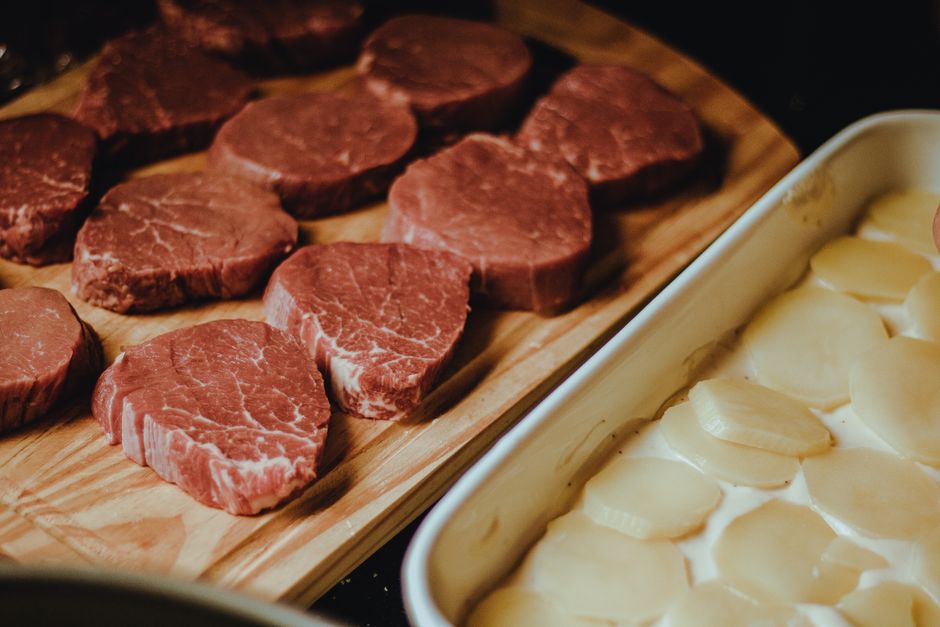
For the dedicated biohacker, the grass-fed steak and pasture-raised eggs are foundational. They deliver complete amino acid profiles, dense micronutrients, and the satiety required to sustain a high-performance lifestyle. But buried inside that protein stack is a hidden cardiovascular cost that almost never surfaces on a standard lipid panel. Specific gut bacteria feed on the L-carnitine in red meat and the choline in egg yolks, producing a downstream metabolite called trimethylamine N-oxide (TMAO). Elevated circulating TMAO is now independently linked to atrial fibrillation, the most common sustained cardiac arrhythmia. The conventional response from the medical community is to simply cut red meat and eggs. That advice ignores the real lever. You can reduce TMAO levels without abandoning your protein targets. The real intervention point is your gut microbiome, not your plate.
Stay in the loop.
Get the latest posts and exclusive content delivered to your inbox.
Join 10 readers. No spam. Unsubscribe in one click, anytime.
The Hidden Cardiovascular Cost of the Biohacker Protein Stack
You test ApoB, hs-CRP, HbA1c, and homocysteine. You track every fraction that correlates with cardiovascular risk. None of those panels measures TMAO. It is a gut-derived metabolite, not a cholesterol fraction, so the assay that catches LDL and triglycerides misses it entirely. Your optimization stack has a hidden blind spot, and it widens with every steak.
Frequent red-meat consumers carry fasting plasma TMAO levels several-fold higher than age-matched vegans and vegetarians, and that gap narrows within weeks of removing animal products. Research linking high-protein diet heart risk to TMAO-mediated cardiovascular pathology has documented how animal-protein dietary patterns drive this metabolite through gut microbial conversion.
The specific wake-up call for the high-protein demographic is a catheterization cohort of over 5,000 patients. After traditional risk factors were stripped away, elevated TMAO carried a 1.7 adjusted odds ratio for prevalent atrial fibrillation, a 70 percent higher likelihood. That magnitude marks TMAO as an independently associated arrhythmia risk factor. The causal chain, from metabolite to rhythm destabilization, comes from animal model evidence discussed later.
The accumulation compounds invisibly. TMAO may build over extended periods of consistent precursor intake, and the atrial remodeling seen in animal models appears to develop gradually beneath that load. By the time afib surfaces clinically, the metabolite has likely been reshaping cardiac tissue for months or years without a single flagged lab value. The precise timeline in humans remains unconfirmed.
How L-Carnitine and Choline Become TMAO
The TMAO pathway is a three-step biological relay, and understanding each step is the key to disrupting it without giving up dietary protein.
Step 1. Dietary precursors enter the gut. When you eat red meat, you consume significant amounts of L-carnitine. When you eat egg yolks, liver, or other animal products, you consume choline and phosphatidylcholine. Both compounds are nutritionally valuable on their own. L-carnitine plays a role in fatty acid transport into mitochondria for energy production. Choline is essential for acetylcholine synthesis, methylation, and cell membrane integrity. Neither precursor is inherently harmful.
Step 2. Gut bacteria convert precursors into TMA. This is where the problem originates. Specific bacterial species in the lower gut possess enzymes called TMA lyases, encoded by the cutC/D gene cluster, that cleave L-carnitine and choline into trimethylamine, or TMA. The L-carnitine to TMAO pathway has been mapped in molecular detail, and it is entirely dependent on the presence of these microbial communities. If your gut harbors a high abundance of TMA-producing bacteria, a single steak generates a significant TMA surge. If your microbiome lacks these species, the same steak generates almost none.
Step 3. The liver oxidizes TMA into TMAO. Once TMA crosses the gut wall and enters portal circulation, hepatic flavin monooxygenase enzymes (primarily FMO3) oxidize it into TMAO. This is the compound that enters systemic circulation and interacts with cardiac tissue.
The critical insight: Step 2 is the only intervention point you can safely and effectively target. You cannot meaningfully change Step 1 without reducing protein intake. You cannot easily suppress Step 3 without broad systemic consequences. But Step 2 is governed entirely by your gut microbiome composition, and that is something you can reshape.
Research on choline-driven TMAO production from the Cleveland Clinic has confirmed that dietary choline directly elevates circulating TMAO in humans through this gut-dependent mechanism, establishing the pathway as clinically relevant rather than theoretical.
One distinction matters for the protocol ahead. L-carnitine and choline are precursors that require microbial conversion. Marine fish and seafood contain pre-formed TMAO that absorbs directly into circulation, bypassing the gut relay entirely. Substituting fish for red meat can raise plasma TMAO even as L-carnitine intake drops.
How TMAO Disrupts Cardiac Rhythm and Drives Afib
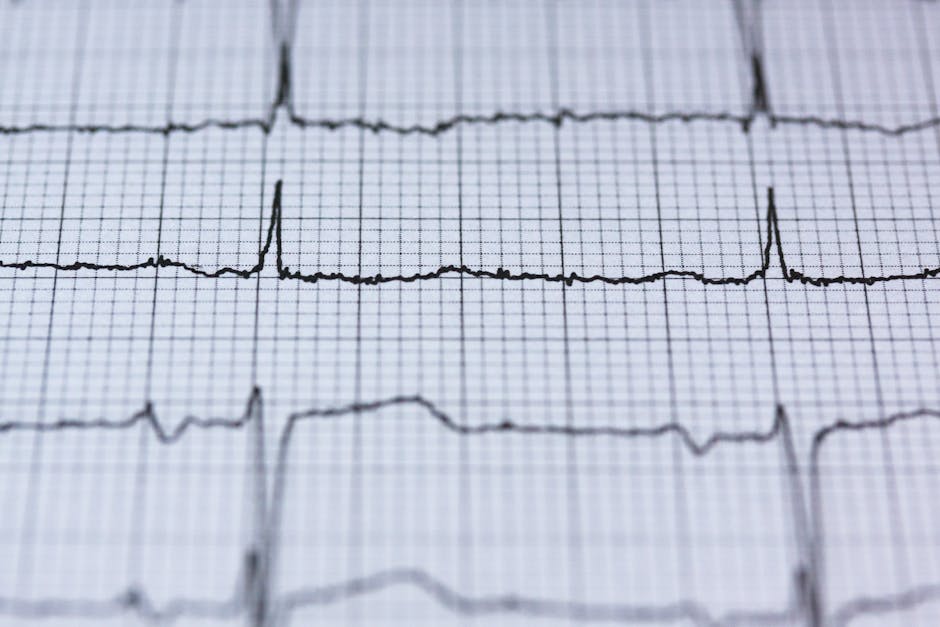
Standard cardiac workups never trace the arrhythmia back to a gut-derived metabolite. An ECG captures the arrhythmia in progress. A Holter monitor catches intermittent episodes over 24 or 48 hours. An electrophysiology study maps the electrical circuitry. None of these tools measures TMAO, and none traces the arrhythmia back to a gut-derived metabolite. This is precisely why so much afib gets labeled idiopathic. The workup identifies what is happening but never asks why, at least not beyond the usual suspects of hypertension, valve disease, and aging. The 1.7 adjusted odds ratio from the catheterization cohort connects the dots that the standard panel misses, linking a gut-derived metabolite to arrhythmia prevalence in a way that lipid fractions never could.
TMAO and atrial fibrillation research outlines two distinct damage pathways that progress without symptoms until the arrhythmia surfaces, and both matter for anyone running a high-protein protocol.
Calcium dysregulation. Cardiac myocytes depend on tightly regulated intracellular calcium cycling for rhythmic contraction. TMAO may disrupt this machinery, potentially as a downstream consequence of the broader autonomic dysfunction the grounding research establishes. When normal calcium handling breaks down, aberrant release events trigger delayed afterdepolarizations that fire ectopic beats and seed the chaotic electrical activity that defines afib. Research on cardiac calcium dynamics details how even subtle disruptions in calcium spark regulation can tip a myocyte from stable rhythm into fibrillation.
Fibrotic remodeling. TMAO promotes collagen deposition in atrial tissue, stiffening the atrial wall and degrading the structural conditions required for clean conduction. In animal models, dietary choline supplementation that raises TMAO caused measurable left atrial dilation, reduced conduction velocity, shortened action potential duration, and decreased wavelength. Each of these changes is a step toward the electrophysiological signature of a heart primed for fibrillation.
TMAO also inhibits muscarinic receptor 2, contributing to autonomic dysfunction that further destabilizes rhythm. The combined result is a heart that is structurally remodeled, electrically unstable, and autonomically dysregulated, all from a metabolite your gut bacteria produce from the steak and eggs you eat for performance. Your doctor's workup will catch the arrhythmia. It will not catch the cause.
Hacking the Microbiome to Shut Down TMA Production
Eliminating red meat and eggs is a non-starter for biohackers whose protocols depend on these sources for muscle preservation and micronutrient density. The alternative targets Step 2 of the pathway, the microbial conversion of precursors into TMA, through two distinct angles with very different evidence tiers.
The bacteria that matter. TMA production clusters in specific microbial profiles. TMA production depends on the abundance of bacteria carrying the cutC/D gene cluster, which encodes TMA lyase. These genes span multiple phyla including Firmicutes and Proteobacteria rather than clustering in one group. A gut rich in cutC/D-carrying taxa can generate a substantial TMA surge from a single steak, while a gut dominated by fiber-fermenting species produces almost none from the identical meal. This explains why two people eating the same diet can have dramatically different TMAO levels.
Layer 1: Acute enzymatic inhibition. Certain compounds directly inhibit the CutC/D TMA lyase enzyme, preventing gut bacteria from converting choline and L-carnitine into TMA. TMA lyase inhibitor research demonstrated that the pharmaceutical compound iodomethylcholine (IMC) is a potent CutC/D inhibitor in mouse models, where it reduced circulating TMAO and attenuated choline-induced atrial remodeling. IMC remains investigational and is not yet available as a drug. Natural inhibitors offer a more accessible but less validated alternative. Compounds with TMA lyase inhibitory properties show preliminary evidence of reducing TMA production, though human dosing efficacy has not been confirmed and the available data rests on preprint-stage findings rather than completed clinical trials. The honest gap: pharmaceutical inhibition works robustly in animals, natural compounds show plausible promise, and neither has cleared the human efficacy bar.
Layer 2: Chronic compositional shifting. Introducing specific probiotic strains and prebiotic fibers alters the competitive landscape of the gut to favor bacteria that do not carry TMA lyase genes. This requires weeks rather than hours. Research on gut-organ axis metabolite shifting indicates that targeted probiotic and dietary strategies can shift gut microbial composition in ways that alter metabolite production along the gut-organ axis.
Why both layers are non-redundant. Acute inhibition works within the meal but does nothing to reduce the underlying population of TMA-producing bacteria. Compositional shifting addresses the root cause but takes weeks to manifest. Layering both means the inhibitor covers the functional gap while the microbiome gradually shifts. Over time, as the TMA-producing population contracts, the need for acute inhibition may diminish.
The Biohacker Playbook to Reduce TMAO Levels

Before dosing anything, answer one question: does your microbiome even produce meaningful TMA? Some high-protein eaters never elevate TMAO because they lack sufficient cutC/D-carrying taxa. A 16S or shotgun metagenomic stool test can flag whether your gut harbors significant TMA-producing populations before you spend on supplements. Pair that with a baseline fasting plasma TMAO test, and you have the two inputs needed to calibrate intensity.
Tier 1: Meal-Timed Allicin (Moderate Elevation)
Start here if your baseline sits in the 2.0 to 5.0 µM range. Allicin, the bioactive sulfur compound in garlic, suppresses microbial TMA lyase activity. Research on allicin and TMAO inhibition has explored its capacity to reduce TMAO production by directly suppressing the enzymatic conversion of choline and L-carnitine into TMA. Take a standardized, enteric-coated garlic extract with meals containing red meat or eggs so the active compound reaches the lower gut when precursors arrive. Retest in 8 to 12 weeks.
Tier 2: Add Probiotic and Prebiotic Shifting (Persistent Elevation)
If Tier 1 alone does not move the number, layer in daily compositional shifting. Research on probiotics and TMAO reduction has examined how certain Lactobacillus and Bifidobacterium species influence TMAO levels by modulating the communities responsible for TMA production. Take a multi-strain probiotic containing Lactobacillus and Bifidobacterium species daily, and add 20 to 30 grams of resistant starch plus 5 to 10 grams of inulin to feed fiber-fermenting species that competitively displace TMA producers. This layer takes weeks, not days.
Tier 3: Full Intervention (High Elevation Above 10.0 µM)
Stack Tiers 1 and 2. Add temporary precursor reduction by swapping red meat for poultry or plant protein on 1 to 2 days per week. Do not substitute marine fish or seafood, which contain pre-formed TMAO that bypasses the gut and can raise plasma levels directly. Consult a physician.
When the Protocol Does Not Work
If your TMAO level does not budge after 12 weeks of layered intervention, three suspects remain. Genetic variation in FMO3 may make your liver a hyper-efficient TMA-to-TMAO converter regardless of how little TMA your gut produces. Impaired renal clearance can trap TMAO in circulation even when microbial output drops. Or your microbiome may resist compositional shifting and need different strains or more time. A non-response is diagnostic data, not failure.
Testing and Tracking Your TMAO Levels Over Time
No protocol survives contact with reality without measurement. TMAO can be quantified in fasting plasma, but only through a specialized assay that measures this specific gut-derived metabolite, not through the standard cholesterol fractions your physician routinely orders.
The Boston Heart TMAO test is one of the most widely available clinical assays for fasting plasma TMAO. It requires a fasting blood draw, and results are reported in micromolar units (µM).
Interpreting results requires calibration. Reference ranges vary meaningfully by laboratory, and the numeric thresholds below are approximate clinical guidelines drawn from the broader literature rather than cutoffs from any single trial. Boston Heart provides its own reference intervals with each report, and those lab-specific values should take precedence over the general framework below.
| Plasma TMAO (approximate) | General Risk Signal | Suggested Action |
|---|---|---|
| Below 2.0 µM | Lower relative risk | Maintain current protocol |
| 2.0 to 5.0 µM | Moderate | Optimize interventions, retest in 3 months |
| Above 5.0 µM | Elevated | Intensify protocol, retest in 6 to 8 weeks |
| Above 10.0 µM | High | Consult a physician, consider temporary dietary changes |
Testing cadence. Establish a baseline before starting any intervention. Retest at 8 to 12 weeks to assess response. If levels have dropped meaningfully, shift to maintenance monitoring every 6 months. If levels have not responded, the bottleneck may be your specific microbiome composition, and you may need to experiment with different probiotic strains, increase prebiotic fiber, or evaluate confounding factors.
Confounders that complicate single readings. Plasma TMAO reflects dietary precursor intake, gut microbial conversion efficiency, liver FMO3 expression, and renal clearance. A single elevated reading does not automatically mean your diet is the sole driver. Kidney function plays a significant role in TMAO excretion, so if levels remain elevated despite aggressive microbiome intervention, discuss renal function testing with your physician. Genetic variation in FMO3 expression also influences how efficiently your liver converts TMA to TMAO, and day-to-day dietary variation can shift readings by meaningful margins.
Your Action Plan to Reduce TMAO Levels
Every year you run a high-protein protocol without addressing TMAO is a year of unchecked microbial output remodeling your atrial tissue. The metabolite does not plateau because you feel fine. It accumulates beneath the load, gradually stiffening the atrial wall and destabilizing the electrical substrate, invisible to every panel you currently run.
The fix is additive, not restrictive. You do not abandon your protein framework. You layer three things onto it: enteric-coated allicin with meat-containing meals, a daily multi-strain probiotic, and prebiotic fiber in the evening. None of these requires a dietary overhaul. Each targets a different point in the pathway, from acute enzymatic inhibition to chronic compositional shifting.
Your next step is concrete. Get a baseline fasting TMAO test before layering any intervention. You need to know where you stand so that when you retest in 8 to 12 weeks, the number tells you whether the protocol is working or whether your specific microbiome requires a different approach.
The microbiome is the intervention node. Measure it, modulate it, and keep your steak.
Stay in the loop.
Get the latest posts and exclusive content delivered to your inbox.
Join 10 readers. No spam. Unsubscribe in one click, anytime.
About the author
Marcus Bao
Strength and Conditioning Coach
Marcus has programmed training for everyone from desk-bound beginners to masters athletes, treating every workout as an experiment with a measurable result. He writes ready-to-run strength, hypertrophy, and Zone 2 programs built around progression you can track.
Related Posts
4 to 6 Whole Grain Servings Per Day, Dosed in Grams
Whole grain servings per day, translated into grams. Turn the 4 to 6 servings from 87 trials into a protein-first heart health protocol you can weigh.

Artificial Sweeteners Gut Bacteria Risks Across 39 Types
Artificial sweeteners gut bacteria research shows 39 sweeteners act differently when combined with caffeine and medications. Find your safest options.

Build a Hydration Protocol From Your Sweat Rate
Your hydration protocol starts with a 30-minute sweat rate test, then dose fluid and sodium for heavy training, sauna sessions, and low-carb cutting.