Artificial Sweeteners Gut Bacteria Risks Across 39 Types
Artificial sweeteners gut bacteria research shows 39 sweeteners act differently when combined with caffeine and medications. Find your safest options.

You stir sucralose into your pre-workout coffee five mornings a week and assume the zero-calorie swap is clean. What you may not realize is that the caffeine in that coffee changes how your gut bacteria respond to the sucralose, creating an effect neither compound produces on its own. The latest artificial sweeteners gut bacteria research shows these compounds interact unpredictably with other substances in your digestive tract. A sweetener that appears benign in isolation can become disruptive when combined with a daily stimulant or a common prescription medication.
Stay in the loop.
Get the latest posts and exclusive content delivered to your inbox.
Join 40 readers. No spam. Unsubscribe in one click, anytime.
Biohackers and health optimizers must learn to map these hidden combinations rather than simply hunting for a single clean product. The impact of non-nutritive sweeteners on the microbiome varies drastically depending on what else you consume. By understanding the interaction matrix, you can confidently select the safest options and actively avoid compounding microbiome damage.
The Hidden Matrix of Sweetener Interactions
Most sweetener safety data comes from isolated testing. A compound is dosed alone in a laboratory model, and a headline declares it safe or harmful. That framework does not match how you actually consume these chemicals.
You swallow a capsule with a zero-calorie flavored drink. You chew sugar-free gum between meals while on a course of antibiotics. You mix a protein shake that contains both stevia and cocoa powder. Each pairing exposes your gut bacteria to a sweetener alongside another biologically active compound, and the combination can trigger microbial responses that neither ingredient produces alone.
A recent laboratory analysis documenting over 100 sweetener interactions illustrates this pattern. Researchers mapped 39 non-nutritive sweeteners against other common substances and logged over 100 cases where a sweetener behaved differently in combination than it did by itself. In some pairings, bacteria that thrived under the sweetener alone struggled to maintain viable populations once the second compound entered the mix.
The practical takeaway is that your daily routine matters more than your choice of sweetener. A product with a clean safety profile in isolation can still contribute to microbial disruption when stacked with the wrong companion compound.
How 39 Artificial Sweeteners Alter Gut Bacteria

The 39-sweetener analysis expanded the evidence not by testing new compounds but by testing familiar ones under real-world conditions. Prior research dosed a single sweetener against a single bacterial strain or a small animal model. The new work mapped 39 non-nutritive compounds against gut bacteria in combination with other substances humans actually consume alongside them.
That approach exposed what isolated testing could not predict. Some sweeteners that appeared benign alone became measurably disruptive when paired with a second compound. Others followed class-level patterns, where an entire chemical family produced similar interaction signatures. These findings help explain why isolated human trials have produced contradictory results for years. A sweetener can look safe in a tightly controlled study and still cause disruption in a real-world gut where caffeine, food, and medication arrive in the same digestive window.
The interaction data contextualizes prior research rather than replacing it. Here is what the standalone evidence established for each major compound.
- Saccharin
- The clearest evidence links saccharin to altered glucose tolerance through microbiome-dependent pathways. A landmark saccharin glucose intolerance study showed the effect could be transferred to germ-free mice via fecal transplant, confirming bacteria as the mediating factor. The interaction data adds that saccharin's microbial impact may intensify under certain co-exposure conditions.
- Sucralose
- Human trial data associates sucralose with measurable shifts in microbiome composition, though downstream functional consequences vary across individuals. The interaction analysis adds context: sucralose was among the compounds whose microbial profile shifted most when paired with other substances.
- Aspartame
- Mildly alters diversity at high daily doses. Combination effects remain understudied.
- Stevia and monk fruit
- Show minimal standalone disruption to beneficial bacteria, and the interaction data so far places them at the lower end of combination risk.
The Caffeine and Sweetener Interaction Problem
Caffeine and non-nutritive sweeteners interact at the microbial level through a compounding mechanism that neither compound triggers alone. Caffeine accelerates gut motility and alters gastric pH, shifting the environmental conditions under which bacteria operate. When a sweetener that already suppresses bacterial growth enters that altered environment, the combined pressure on beneficial strains intensifies beyond what either compound does in isolation. Laboratory research on sweeteners and bacterial growth confirms that non-nutritive sweeteners measurably slow the proliferation of key gut bacteria, and that combining them with other compounds amplifies the inhibition.
Beneficial strains such as bifidobacteria can be among those affected. These bacteria ferment complex carbohydrates into butyrate, a short-chain fatty acid that feeds the epithelial cells lining the intestinal wall. When their populations contract under compounding pressure, butyrate production drops, weakening the barrier and creating conditions more permissive to low-grade inflammation. The damage mechanism here is environmental, not toxic. The bacteria are not being directly poisoned. They are struggling to maintain viable populations under conditions that simultaneously suppress their growth and accelerate their transit through the gut.
Timing separation addresses this at the microbial level rather than the pharmacological one. Separating sweetener intake from caffeine by at least two hours gives the bacterial community a recovery window in which the gut environment normalizes and beneficial strains can repopulate before the next suppressive exposure. Without that window, both compounds hit in quick succession and recovery becomes progressively harder. If you currently sweeten a pre-workout or morning coffee with sucralose or saccharin, shift that dose to a different time of day, ideally paired with a meal rather than a stimulant.
Ranking the Safest Non-Nutritive Sweeteners
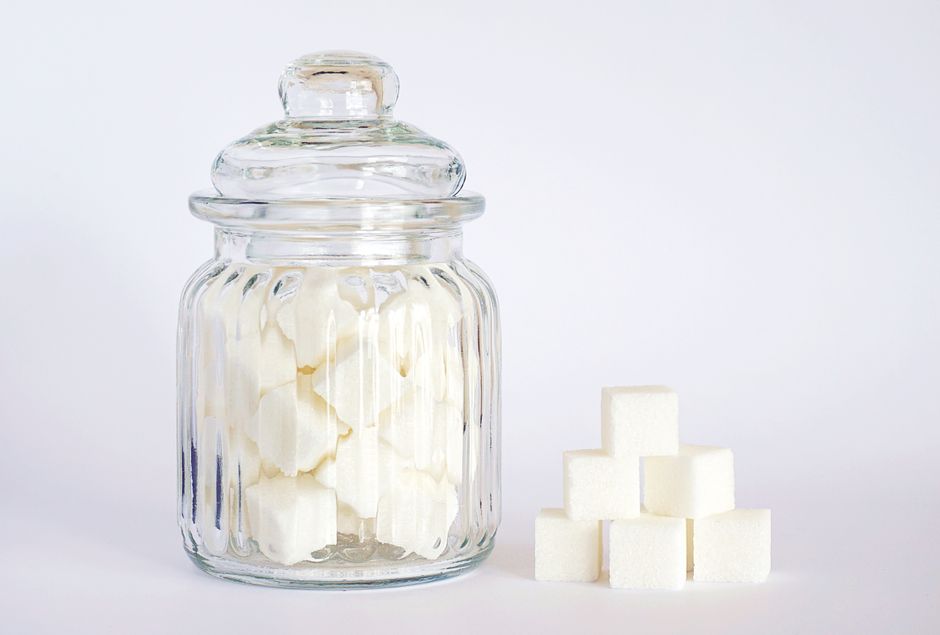
A standalone safety ranking tells you only half the story. The artificial sweeteners gut bacteria research shows that each compound's real risk profile depends on what you pair it with. All five compounds below are approved for use under FDA sweetener safety guidelines, which set acceptable daily intake limits for general toxicity. Those limits say nothing about microbiome-level effects. The interaction data from the 39-sweetener analysis is what reveals the real hierarchy.
| Sweetener | Worst-Case Combination | Microbial Effect in That Combination | Risk Level |
|---|---|---|---|
| Monk Fruit | Caffeine, protein shakes | Minimal disruption observed in current data | Lowest |
| Stevia | Duloxetine and related antidepressants | Significant diversity drop; drug-metabolism disruption | Low to Moderate |
| Aspartame | Multiple daily diet sodas plus gum | Mild diversity shifts at cumulative high doses | Moderate |
| Saccharin | High-carbohydrate meals | Glucose intolerance via microbiome pathways | High |
| Sucralose | Caffeine, stimulant stacks | Altered composition plus compounded growth suppression | High |
Lowest Interaction Risk
Monk fruit wins on consistency, not inherent superiority. Its antioxidant mogrosides behave the same whether you mix them into caffeinated pre-workout, protein shakes, or keto coffee. No significant interaction has surfaced in the current data. Verdict: safe to stack with caffeine and most supplements.
Stevia rarely disrupts beneficial bacteria on its own. Research on the stevia gut microbiome confirms its low standalone risk. The reason stevia sits at the low-to-moderate boundary rather than the bottom is its duloxetine interaction, not its isolated profile. The isosteviol derivative produced one of the most disruptive drug-sweetener pairings in the 39-sweetener analysis. Verdict: low-risk alone, but never combine stevia extracts with duloxetine without medical guidance.
Moderate Interaction Risk
Aspartame breaks down into phenylalanine, aspartic acid, and methanol. While recognized as safe in small doses, emerging data suggests it can mildly alter microbial diversity when consumed in large quantities daily. Specific co-consumption interactions remain understudied, so its moderate ranking reflects cumulative-exposure risk rather than any single dangerous pairing. Verdict: moderate risk from chronic high-dose intake.
Highest Interaction Risk
Saccharin has repeatedly demonstrated the ability to alter glucose tolerance through microbiome pathways, especially when consumed alongside high-carbohydrate meals that already challenge insulin sensitivity. The carb-rich meal is the ranking criterion here, not saccharin in a vacuum. Verdict: high risk. Avoid pairing with carb-heavy meals.
Sucralose is marketed as inert, but emerging research has raised questions about sucralose and gut health. A human trial on sucralose confirmed it alters microbiome composition. Its risk level comes from the caffeine-stacking effect: when combined with stimulants that may alter the gut environment, the growth suppression of beneficial strains appears to compound. Verdict: high risk when stacked with stimulants. Separate sucralose from caffeine by several hours.
How Sweeteners Interfere with Medications
The most concrete drug-sweetener finding to date comes from the 39-sweetener analysis. When researchers combined isosteviol, a metabolite of stevia, with duloxetine, a commonly prescribed antidepressant, the pairing significantly reduced overall microbial diversity and suppressed beneficial bacteria in the laboratory model. Whether this microbial disruption translates to altered duloxetine response in humans has not been established. The finding warrants caution, not alarm.
The mechanism is biologically plausible even though clinical evidence is lacking. Gut bacteria produce enzymes that help metabolize oral medications before those drugs reach your bloodstream. A sweetener drug interaction study documented how specific sweetener-bacteria combinations can alter that enzymatic activity. When a sweetener shifts which bacterial strains dominate your gut, it can also shift the enzymatic output those bacteria produce, which could theoretically affect how well your body processes certain prescriptions.
This is not unique to stevia and duloxetine. A detailed microbiome drug metabolism review outlines how gut bacteria influence the pharmacokinetics of medications across multiple drug classes, from antidepressants to cardiovascular compounds. The sweetener variable adds a new layer to an already complex picture.
The practical guidance is straightforward. If you take duloxetine or any daily prescription, separate your sweetener intake from your medication dosing by several hours. If you notice changes in how you feel on a medication after introducing or switching a sweetener, flag it for your physician.
A Practical Protocol to Test Your Gut Response
Standard elimination diets tell you to remove a food, wait, and reintroduce it. That framework collapses for sweeteners because the variable that matters is not the sweetener alone but what you stack it with. A sucralose-only trial that ignores your morning caffeine tells you nothing about the interaction that actually disrupts your microbiome. Meaningful testing must vary the co-consumed compound, not just the sweetener.
Step 1: Map Your Stacking Habits
Before eliminating anything, spend three days logging every sweetener source alongside what you consume it with. Pre-workout powders, electrolyte mixes, protein bars, sugar-free gum, and flavored supplements all count. Record the sweetener type and its daily pairing: sucralose with caffeine, aspartame in diet soda alongside meals, stevia in your supplement stack. This audit reveals your actual exposure patterns and identifies which interaction combinations to test first. Use a continuous glucose monitoring system during this phase to capture baseline fasting and post-meal glucose patterns.
Step 2: Eliminate, Then Test the Sweetener Alone
Remove all non-nutritive sweeteners for at least 14 days. After the washout, reintroduce one sweetener at a controlled dose for three to four days. Consume it on its own, away from caffeine, medications, and flavored supplements. Track glucose response and digestive symptoms. This isolated phase establishes your personal baseline reaction to the compound itself.
Step 3: Add Back the Interaction Variable
Now run the critical test that no generic protocol covers. Take the same sweetener at the same dose, but this time pair it with your usual co-consumed compound. If you normally sweeten pre-workout with sucralose, mix sucralose into caffeinated coffee and measure the difference. Compare your glucose response, bloating, and digestive changes against the isolated phase from Step 2. The delta between these two tests reveals the interaction effect, the hidden variable that determines real-world microbiome impact. If you take prescription medications, test sweetener timing relative to your dosing schedule and flag any changes for your physician.
Step 4: Verify with Stool Testing
Glucose data alone cannot capture microbiome disruption that occurs without a measurable blood sugar shift. For definitive evidence, follow an at-home gut bacteria testing protocol. Take a stool sample at the end of your elimination baseline, then another after the interaction phase in Step 3. Compare specific markers: bifidobacteria counts, lactobacilli levels, and overall diversity index. A sweetener that seems benign in isolation but drops your bifidobacteria when paired with caffeine is exactly the finding this protocol is built to surface.
The real question is not which sweetener to pick but which combination to avoid. A molecule that leaves your glucose curve flat in isolation can suppress beneficial bacteria when stacked with morning caffeine, and a low-risk extract like stevia can disrupt drug metabolism when paired with the right prescription. What sits next to the sweetener in your daily routine determines whether it works for you or against you. Map your combinations, run the interaction tests, and let your own microbiome data make the final call.
Stay in the loop.
Get the latest posts and exclusive content delivered to your inbox.
Join 40 readers. No spam. Unsubscribe in one click, anytime.
About the author
Elena Park
Sleep and Recovery Specialist
Elena has spent a decade helping people fix their sleep and recover faster, pairing wearable and HRV data with the cold, heat, and breathwork protocols she tests on herself first. She writes recovery routines that hold up under real, busy lives.
Related Posts
Compute Your FIB-4 Score Before Trusting a Normal ALT
Compute your FIB-4 score from bloodwork you already have, see why normal ALT misses fatty liver, and run a quantified diet protocol to reverse early MASLD.
Reduce TMAO Levels and Keep Your High-Protein Diet
Reduce TMAO levels without giving up red meat. Target the gut microbiome to intercept TMAO production and protect against atrial fibrillation risk.
AI Calorie Tracking Accuracy Drops 30% on High-Fat Meals
AI calorie tracking accuracy can drop by 30 percent on high-fat meals. Learn how this compounding undercount sabotages your deficit and how to fix it.