Low-Fat Vegan Diet Type 2 Diabetes Trial, an Omnivore's Audit
A mechanism audit of the low-fat vegan diet type 2 diabetes trial, plus the fat, fiber, and cooking swaps omnivores can steal for better blood sugar.
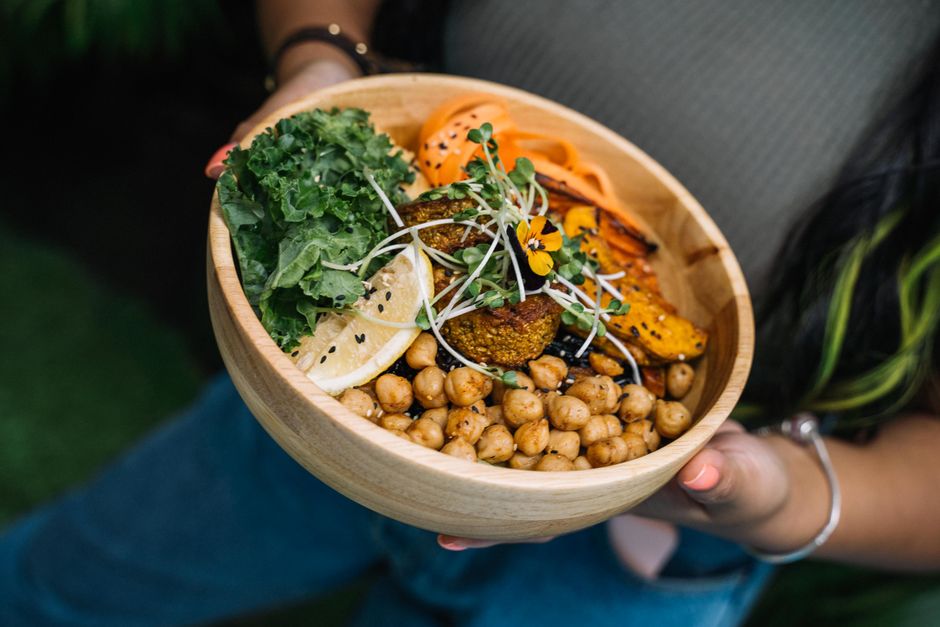
Twenty-five adults with type 2 diabetes spent 16 weeks eating roughly 75 percent carbohydrate with no calorie cap, and their fasting glucose fell from 155 to 116 mg/dL while liver fat dropped by a third. The study, published in BMJ Open Diabetes Research & Care by Hana Kahleova's team at the Physicians Committee for Responsible Medicine with collaborators at Yale, is the kind of paper a meat eater reflexively files under vegan advocacy. The filing is a mistake, and the mechanism trail explains why. This low-fat vegan diet type 2 diabetes trial moved markers because it removed four modifiable inputs at once: total dietary fat load, ectopic lipid stored inside muscle and liver cells, exogenous advanced glycation end products from high-heat animal cooking, and low-fiber energy density. Not one of the four requires eliminating animal products. What follows is a mechanism audit rather than advocacy: what moved, why it moved, what the design cannot isolate, and the exact swaps an omnivore can run to reproduce the stack.
Stay in the loop.
Get the latest posts and exclusive content delivered to your inbox.
Join 37 readers. No spam. Unsubscribe in one click, anytime.
What the Low-Fat Vegan Diet Type 2 Diabetes Trial Tested
The setup was blunt. Adults averaging 59 years of age, a BMI around 31, and 6.6 years since diagnosis ate vegetables, grains, legumes, and fruit for 16 weeks. Animal products and added fats were excluded. The target split was roughly 75 percent carbohydrate, 15 percent protein, and 10 percent fat. They were told to eat to satiety, count nothing, and change nothing about their exercise. Anyone using insulin, sulfonylureas, or weight-loss drugs was excluded; metformin users stayed in.
One design detail shapes every conclusion below: this was a single-arm trial. Each participant's own baseline served as the comparison. There was no omnivorous group eating matched calories, which is exactly why the plants themselves cannot take credit.
What 16 weeks produced:
| Measure | Change over 16 weeks |
|---|---|
| Body weight | -6 kg (-6.6%) |
| Fat mass | -4.2 kg |
| Visceral fat volume | About 290 cm³ (2,168 to 1,878 cm³) |
| Liver fat | -33% on average |
| Fasting glucose | 155 to 116 mg/dL |
| Fasting insulin | 13.5 to 8.8 µU/mL |
| HbA1c | 7.6% to 6.6% |
| LDL cholesterol | 108 to 86 mg/dL |
| HDL cholesterol | About 55 to 47 mg/dL |
| Skin AGE score | 3.1 to 2.7 |
Triglycerides held steady. Beta-cell function improved on two counts, stronger insulin secretion at high glucose and better rate sensitivity to rapidly rising glucose. Muscle fat (intramyocellular lipid) and directly measured insulin sensitivity both improved, and among the 16 metformin users who finished, five reduced their dose and two discontinued it. Nobody started or increased a glucose-lowering medication.
Why Unlimited Eating Still Created a Deficit
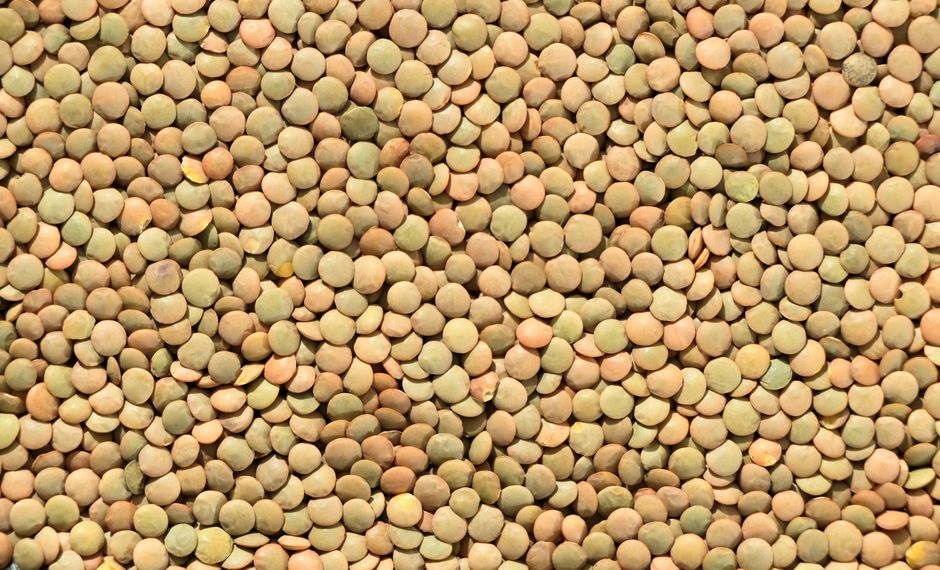
The weight loss mechanism behind an unrestricted vegan menu is the part skeptics get wrong first. Ad libitum did not mean ad libitum energy. Participants reported eating about 346 fewer calories per day with no limit and no counting, and the composition shifts show where the calories went: carbohydrate rose only modestly (198 to 259 g/day), total fat fell more than threefold, saturated fat fell more than fivefold, protein dipped from 70 to 59 g, and fiber nearly doubled.
Three levers usually get credit for spontaneous deficits: reduced energy density, fiber bulk, and the thermic effect of a high-carbohydrate menu. The first two carried this trial. The third did not register, because resting and post-meal energy expenditure, including the thermic effect of food, did not change significantly, and reported physical activity actually declined. The deficit was an intake-side effect. Water-rich, high-fiber, low-fat food fills the stomach with fewer calories per bite, so satiety arrives before surplus does. Self-reported intake is imperfect and people underreport, but an average 6 kg loss on the scale is consistent with a real deficit. So when the question is what improved blood sugar in the low-fat vegan diabetes trial, the first-order answer is an unintended deficit, and the second-order answer is what the deficit was made of.
Intramyocellular Lipid and the Insulin Signaling Chain
Does eating fat with carbs cause insulin resistance? In the acute, lipid-load sense, the evidence is stronger than most low-carb commentary admits, and the mechanism is mapped in detail.
The chain, step by step:
- Insulin binds its receptor on muscle fibers and triggers a relay (IRS-1, PI3K, Akt) that tells GLUT4 transporters to move to the cell surface and pull glucose out of the blood.
- When circulating fatty acids run high, muscle imports lipid faster than it can burn it, and the surplus is converted into signaling lipids inside the fiber, mainly diacylglycerol and ceramides. The visible accumulation is intramyocellular lipid.
- Diacylglycerol activates novel protein kinase C isoforms that phosphorylate IRS-1 on serine residues, jamming the relay upstream of PI3K, while ceramides interfere with Akt. GLUT4 stays inside its vesicles and glucose stacks up in plasma.
- The liver runs the same script with hepatocellular lipid, keeping glucose output insulin-resistant.
The acute proof is hard to argue with. Lipid infusion experiments raise circulating fatty acids intravenously and measurably degrade insulin-stimulated muscle glucose uptake within hours, long before any weight change exists. At the meal level, a Diabetes Care feeding study found that adding fat to a standardized meal keeps glucose elevated and insulin requirements higher for hours afterward, documented cleanly in type 1 diabetes where insulin delivery is controlled externally.
The trial simply ran the chain in reverse. Cut dietary fat hard, and the measured compartments, liver fat and intramyocellular lipid, both dropped, easing the protein kinase C jam and restoring GLUT4 recruitment, which is the sane explanation for fasting insulin falling from 13.5 to 8.8 µU/mL. Circulating fatty acids were not reported; they would be expected to fall with fat intake cut that deep, but the audit standard is what was measured. The takeaway for a meat eater: you can lower intramyocellular lipid without going vegan, because the lever is lipid load and energy balance around carbohydrate, not the botanical origin of the plate.
Dietary AGEs and the Skin Autofluorescence Drop

Dietary advanced glycation end products are the input almost no coverage of this trial explains. AGEs form when sugars react with proteins or fats, and dry, high-heat cooking accelerates the reaction dramatically; the brown crust on a seared steak is partly Maillard chemistry you are about to absorb.
Published food AGE tables show one consistent pattern: broiled, fried, and hard-roasted animal products and cheese dominate the top of the list, while boiled, stewed, and poached items sit near the bottom. The same cut of meat can differ manyfold in measured AGE content depending on cooking method alone.
The proposed harm pathway is receptor-mediated: absorbed dietary AGEs engage RAGE, a receptor that switches on inflammatory signaling and oxidative stress, as a dietary AGE review lays out. That route is separate from the endogenous glycation that rises with high blood sugar itself.
In the trial, skin AGE score fell from 3.1 to 2.7. The reading comes from skin autofluorescence, a validated proxy for accumulated tissue AGEs, and it fell because the vegan menu deleted the two densest exogenous sources, dry-cooked meat and cheese. Cooking method and food choice explain the drop; nothing plant-specific is required. Skin autofluorescence is also measurable in clinical settings, which makes this the most testable mechanism in the entire stack.
Fiber, Fermentation, and Slower Glucose Arrival
The trial contains its own carbohydrate paradox, and most coverage misses the number pair that matters: carbohydrate intake rose from 198 to 259 g/day while fasting glucose fell from 155 to 116 mg/dL. Starch and sugar up by nearly a third, fasting glucose down 39 mg/dL. If carbohydrate quantity were the operative variable, that graph runs the wrong way. The operative variable was arrival rate, not arrival amount. The same carbohydrate, delivered on a doubled fiber load, reaches the bloodstream as a slope instead of a spike.
Two routes do the flattening, and both are dose-dependent:
- Viscous fiber slows the hardware. Gel-forming fiber delays gastric emptying and slows glucose's diffusion to the absorptive surface, stretching identical carbohydrates across more time.
- Fermentable fiber feeds the signaling. Gut bacteria ferment fiber into short-chain fatty acids (acetate, propionate, butyrate), which support colonocyte energy supply and incretin signaling including GLP-1, as a fiber and incretin review summarizes.
The dose is half the story. Fiber nearly doubled in the vegan arm, which from a typical Western baseline means moving into the roughly 30 g range, and that is a whole-food dose built from legumes, grains, and vegetables, not a supplement scoop. Here is the practitioner caveat top SERP coverage omits: isolated fiber powders largely lack the viscosity and the fermentation matrix of black beans and oats, so the arrival-rate effect comes from food, not powder.
The omnivore translation is arrival-curve engineering: fiber before starch, not after, legumes at least once a day, roughly 30 g of daily fiber. Fiber is also the easiest lever in the stack to copy and the hardest to isolate in a single-arm trial, which is exactly where the audit has to concede ground.
What This Trial Cannot Prove
An audit owes you the limits before it sells you anything.
This trial shows diet can move these mechanisms in 16 weeks. Whether moving them requires plants is exactly what a single-arm design cannot tell you.
- No control arm of any kind. Single-arm means no comparison group eating their usual diet, let alone an isocaloric omnivorous arm matched for weight loss. Attributing the results to "plant-based" as a category is unearned; fat reduction, the deficit, and AGE-lowering cooking could plausibly reproduce most of the effect.
- Weight loss is a confound. Losing 6 kg improves glycemia, liver fat, and muscle lipid on its own. Composition effects cannot be separated from deficit effects here.
- Sixteen weeks, 25 enrolled, self-reported intake. Fine for generating mechanism hypotheses, thin as universal prescription.
- The ledger has debits. HDL fell from about 55 to 47 mg/dL, some lean mass went with the fat, and triglycerides did not move.
Conceding all of that does not weaken the takeaways. It is what lets you steal the mechanisms instead of the ideology.
Stealing Each Mechanism as an Omnivore
The translation, mechanism by mechanism:
| Trial mechanism | Vegan arm lever | Omnivore dose |
|---|---|---|
| Fat load with carbohydrate | Roughly 10% of energy from fat | Keep fatty cuts away from starch meals; pair carbs with lean protein plus legumes |
| Ectopic lipid in muscle and liver | Spontaneous 346 kcal/day deficit | Volume-first eating with a vegetable-and-bean preload |
| Exogenous AGE intake | Meat and cheese removed | Moist, low-temperature cooking; acid marinades; less charring |
| Fiber and fermentation | Fiber nearly doubled | About 30 g daily, legumes daily |
Reducing Dietary AGEs When Cooking Meat
Five swaps, in order of leverage:
- Boil, stew, or braise instead of grilling, broiling, and hard roasting. Boiled versus grilled is the biggest AGE gap in the food tables; a boiled beef patty carries a fraction of the AGE load of the same patty fried hard. Pot roast, beef stew, poached chicken, and braised short rib are the workhorses.
- Marinate in acid before any high-heat cook. Vinegar, lemon juice, wine, or yogurt for an hour reduces AGE formation during grilling. AGE researchers who built the food tables also recommend acid marinades before high-heat cooking as a practical lowering tactic.
- Sous-vide, then flash-sear. A brief final sear forms far fewer new AGEs than sustained dry-heat broiling, and the interior never sees dry heat at all.
- Shorten cook times and skip the char. Browning is the reaction itself; less browning means fewer AGEs.
- Demote cheese. It is among the densest AGE sources in the tables. Garnish, not meal.
Fat Timing and the Lean-Plus-Legume Template
The infusion and feeding evidence indicts lipid arriving with the glucose load, so the template writes itself: 95/5 ground beef, white fish, shrimp, skinless poultry, or egg-white-forward scrambles next to lentils, black beans, or chickpeas and rice. Keep the ribeye for salad nights, not pasta nights. You are timing fat away from starch, not excommunicating it.
The Fiber Preload
Ten to fifteen minutes before the main meal, eat a bowl of lentil soup, a large salad with vinaigrette, or a small plate of beans. Negligible cost, and it is the fiber mechanism in its most portable form.
An Eight-Week Protocol and Tracking Checklist
Run it as an experiment with exit criteria decided in advance.
| Week | Action |
|---|---|
| 0 | Baseline: fasting insulin, fasting glucose, HbA1c or a 14-day CGM average, ALT, waist at the navel, weight. Skin autofluorescence or liver imaging if accessible |
| 1 to 8 | Full swap stack: moist-low cooking for meat, acid marinades when grilling, lean protein plus legumes with starch meals, preload before mains, about 30 g fiber daily |
| 4 | Midpoint: repeat waist, and run an n-of-1 test, the same carb meal with fatty protein one night and with lean protein plus beans another, comparing post-meal CGM curves |
| 8 | Re-test the baseline panel |
What counts as the mechanisms working:
- Fasting insulin down meaningfully from baseline; a 15 to 20 percent drop is a reasonable bar
- ALT trending down
- Waist down 2 cm or more
- Smaller post-meal glucose excursions on identical carbohydrate meals
- Skin autofluorescence flat or lower
If nothing moves after eight honest weeks, the bottleneck is elsewhere: sleep, training, medication timing, or a deficit you never actually created. If you take glucose-lowering medication, involve your prescriber from the start; five of sixteen metformin users in the trial needed dose reductions, the right kind of problem to have under supervision.
The low-fat vegan diet type 2 diabetes trial's real finding is narrower and more useful than its press framing: fat load, ectopic lipid, AGE intake, and fiber are movable levers, and none of them is exclusive to plants. Boil more than you sear, keep fatty cuts away from starch, put beans beside the chicken, and measure. The steak stays.
Stay in the loop.
Get the latest posts and exclusive content delivered to your inbox.
Join 37 readers. No spam. Unsubscribe in one click, anytime.
About the author
Dr. Mara Whitfield
Longevity Protocols Lead
Mara translates aging research into protocols people can actually follow. With a background in preventive medicine and years tracking the longevity literature, she writes the healthspan routines, supplement stacks, and testing cadences she runs herself.
Related Posts
4 to 6 Whole Grain Servings Per Day, Dosed in Grams
Whole grain servings per day, translated into grams. Turn the 4 to 6 servings from 87 trials into a protein-first heart health protocol you can weigh.

Build a Hydration Protocol From Your Sweat Rate
Your hydration protocol starts with a 30-minute sweat rate test, then dose fluid and sodium for heavy training, sauna sessions, and low-carb cutting.

How to Choose Protein Powder by Job, Not Brand
How to choose protein powder by job, not brand. Match whey, casein, plant, and collagen to cutting, sleep, and over-50 goals with leucine threshold math.