Intermittent Fasting Protein Intake Is a Math Problem
Intermittent fasting protein intake is a math problem. Per-meal synthesis caps decide if your feeding window fits your target or quietly costs muscle.
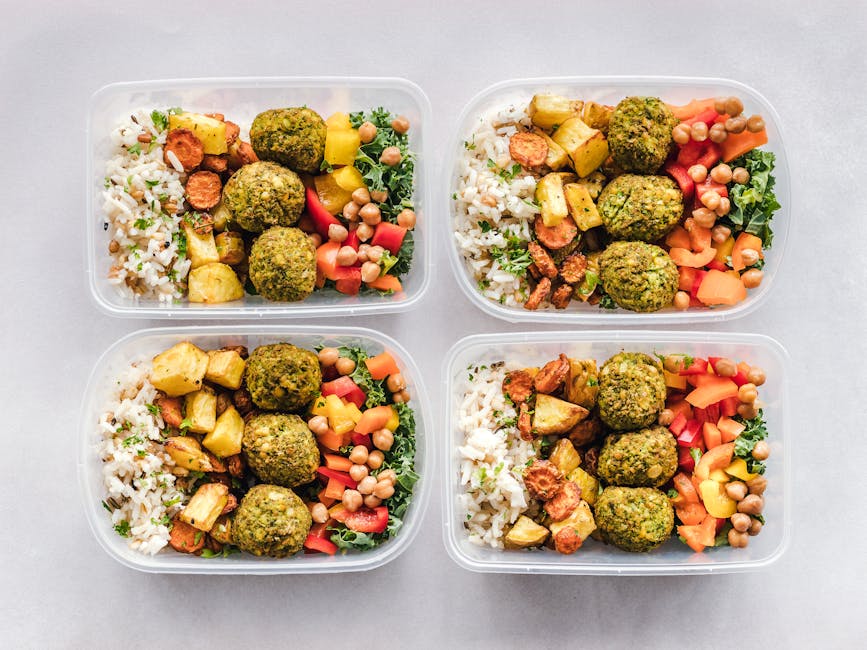
Take a 90 kg lifter chasing 175 g of protein a day inside a four-hour OMAD window. Four hours realistically fits two feedings, and each feeding has a ceiling on how much protein actually becomes muscle. Two capped feedings deliver perhaps 100 g of usable protein against a 175 g target. Perfect food quality, perfect fast discipline, and perfect training change none of that multiplication.
Stay in the loop.
Get the latest posts and exclusive content delivered to your inbox.
Join 37 readers. No spam. Unsubscribe in one click, anytime.
That is the real story of intermittent fasting protein intake, and it gets settled with arithmetic rather than reassurance. The popular framing asks whether you can fast and still build muscle, and the generic answer is a shrug of "probably, if you eat enough." The useful question is narrower: can your specific window distribute your specific daily target across enough separate meals? This article runs that math for the popular windows, gives the three populations with the least margin their own numbers, and keeps every fix on the arithmetic side rather than the willpower side.
The Per-Meal Muscle Protein Synthesis Ceiling
Start with the settled part. A large 2018 meta-analysis put the breakpoint for muscle gains with resistance training near 1.6 g of protein per kg of body weight per day, with plausible additional benefit up to around 2.2 g/kg (2018 BJSM meta-analysis). Those daily numbers are not the problem. The problem is the cap underneath them.
Muscle protein synthesis responds to a protein dose up to a point, then flattens hard. In healthy young adults, that saturation zone sits near 0.4 to 0.55 g/kg of quality protein per sitting, the range Schoenfeld and Aragon calculated for muscle-building meals (per-meal protein ceiling). For our 90 kg lifter, that is roughly 36 to 50 g of usable protein per feeding. Protein beyond the cap still counts for calories and fullness; little of it counts for muscle. The switch is the leucine threshold, commonly estimated near 2 to 3 g of leucine, which most people reach somewhere inside a 30 to 40 g serving of complete protein.
The second constraint is time. After a feeding, muscle stays largely refractory to another dose for roughly 3 to 5 hours (the refractory period). Stack a second big meal at hour two and much of it lands on tissue that is not listening yet. Cap per meal, spacing between meals. Those two facts set the maximum protein a feeding window can deliver.
Intermittent Fasting Protein Intake Math at 90 kg

Run the numbers. A 90 kg trainee at 1.6 to 2.2 g/kg needs about 145 to 200 g of protein a day. At 36 to 50 g of usable protein per feeding, that is 3 feedings at the generous end of both ranges and 5 to 6 at the strict end. Space feedings 3 to 4 hours apart and the minimum window for 3 feedings is 6 to 8 hours; for 5 feedings it is 12 to 16 hours. Map the popular protocols onto that:
| Protocol | Eating hours | Feedings that fit | Usable protein at 90 kg |
|---|---|---|---|
| OMAD | 1 to 4 | 1 to 2 | 36 to 99 g |
| 20/4 | 4 | 2 | 72 to 99 g |
| 18/6 | 6 | 2 to 3 | 72 to 149 g |
| 16/8 | 8 | 3 | 108 to 149 g |
Read the OMAD protein math carefully. Two capped feedings top out near 1.1 g/kg of usable protein regardless of body weight, which already misses the 1.6 g/kg floor for muscle at any size. Past roughly 70 kg the gram shortfall becomes too large to hand-wave, and even lighter trainees are budgeting for maintenance, not growth. Even 16/8 only clears the low end of the target when every feeding lands near the top of its cap. The window, not the menu, is the binding constraint.
Distribution itself moves outcomes at identical totals. In a small controlled trial, spreading the same daily protein evenly across meals raised 24-hour muscle protein synthesis by about 25% compared with a heavily skewed pattern (a small distribution trial). Meanwhile, an eight-week time-restricted feeding trial in resistance-trained men, with calories and protein matched, held on to lean mass and strength while fat mass fell (a matched-intake 16/8 trial). Together those results point one direction: intermittent fasting muscle loss is usually a distribution failure, not a fasting failure.
Three Populations Where the Window Genuinely Fails
Most healthy 30-year-olds running 16/8 with a protein-first plan have margin. Three groups do not, and for each the arithmetic is worse than average.
Adults over 60
Anabolic resistance means older muscle responds less to the same dose, so the per-meal requirement rises toward roughly 40 g with adequate leucine at exactly the life stage when appetite and total intake shrink (anabolic resistance research). The PROT-AGE recommendations call for 1.0 to 1.2 g/kg per day in healthy older adults, with per-meal quality stressed for precisely this reason (PROT-AGE position paper). A 75 kg 65-year-old targeting 1.2 to 1.6 g/kg needs 90 to 120 g a day, and at roughly 40 g per effective feeding that is still 3 feedings. A 16/8 window fits that on paper; a 20/4 window does not, and the everyday battle is appetite, because 40 g is nearly double what shrinking hunger suggests.
Aggressive cuts
Contest-prep guidance for lean, resistance-trained people lands at 2.3 to 3.1 g/kg of fat-free mass to defend muscle in a deficit (natural bodybuilding nutrition research). A 90 kg lifter at 15 percent body fat carries about 77 kg of fat-free mass, which demands roughly 175 to 235 g a day while calories are already low. That is 5 to 6 capped feedings and 12 to 16 hours of window, in a physiological state where meal satiety arrives early and stays. Deep cuts and compressed windows collide on sheer volume, not on theory.
GLP-1 users
In the 68-week STEP 1 semaglutide trial, lean mass accounted for roughly 39% of the weight participants lost (the STEP 1 trial). GLP-1 medications suppress the appetite that was already the weakest link in hitting a protein target, and a compressed window removes the meal schedule that could compensate. For this group the feeding window is not a fat-loss tool; it is a second constraint stacked on an already constrained intake. If you are on a GLP-1 and lifting, scheduled protein-anchored meals come first and fasting is, at most, incidental.
Window Sizing Rules by Body Weight
You can size your own window in four steps:
- Daily target: body weight × 1.6 to 2.2 g/kg (2.3 to 3.1 g/kg of fat-free mass on hard cuts, 1.0 to 1.2 g/kg as the floor past 60).
- Per-meal cap: body weight × 0.4 to 0.55 g/kg.
- Feedings needed: target ÷ cap, which lands at 3 to 5 for nearly everyone.
- Minimum window: (feedings minus 1) × 3 to 4 hours.
| Body weight | Daily target | Usable per meal | Feedings needed | Minimum window |
|---|---|---|---|---|
| 60 kg | 96 to 132 g | 24 to 33 g | 3 to 5 | 6 to 16 h |
| 75 kg | 120 to 165 g | 30 to 41 g | 3 to 5 | 6 to 16 h |
| 90 kg | 144 to 198 g | 36 to 50 g | 3 to 5 | 6 to 16 h |
| 105 kg | 168 to 231 g | 42 to 58 g | 3 to 5 | 6 to 16 h |
Notice what did not change across rows: the feeding count. Because target and cap both scale with body weight, a 60 kg lifter and a 105 kg lifter need roughly the same number of meals in roughly the same window. What grows is the gram burden per meal, and appetite does not scale with body weight. That is why heavier lifters report OMAD "working" at maintenance grams and failing at muscle grams; the meals simply get too big to finish. Reviews of time-restricted eating combined with resistance training generally find lean mass holds when total protein is protected and slips when it is not (combined-protocol reviews), which is exactly what this table predicts.
Engineering Protein Inside the Window

If your window passes the arithmetic, protein timing tactics raise the odds you actually finish it. Treat sequencing as a practical hedge that stacks the deck, not as a proven synthesis multiplier.
- Protein first, everything else second. Eat the protein portion of each feeding before starches and fats fill you up.
- Biggest dose at the fast break. Appetite peaks after fasting, so make meal one the largest and make it leucine-complete, 40 g or more.
- Space feedings 3 to 4 hours apart. Anchor meals at the window's opening and close, then place the rest between them. Eating sooner wastes the refractory interval; later compresses the count.
- Close gaps with whey. Dose-response work in young men found 40 g beat 20 g for myofibrillar synthesis after whole-body training (whey dose-response data). A 40 g shake adds protein without adding a full meal's chewing satiety, which matters most on cuts.
- Train into the window. Finish training near or inside the window so the post-workout feeding lands where it counts, not during the fast.
The ISSN position stand frames daily needs around exactly this kind of per-meal dosing spread across the day (the ISSN position stand), so these tactics are standard practice compressed into fewer hours.
When to Drop the Fast Entirely
Abandon or lengthen the fast when any of these is true:
- Your required feedings cannot fit the window at 3 to 4 hour spacing.
- Appetite repeatedly fails before the target is hit, the signature failure mode on deep cuts.
- You are past 60 and unwilling to run 40 g feedings, since muscle at that age is expensive to rebuild.
- Weight is falling faster than planned and strength is falling with it.
The fallback keeps the structure and loosens the clock. A 14/10 fast still delivers most of the schedule simplicity and overnight break people want from fasting, and it fits 3 to 4 feedings comfortably at any body weight. Fasting is a tool for calorie control and routine. When the tool starts costing protein feedings you have already paid for with training, the tool is wrong, not you.
The Decision Table
Intermittent fasting protein intake comes down to one lookup:
| Your situation | Verdict |
|---|---|
| OMAD with any muscle goal | Fails the cap math at any size; non-negotiable past about 70 kg |
| 20/4 while lifting | Viable only at low body weight and a low target |
| 18/6 while lifting | Borderline; needs 3 near-capped, protein-first meals |
| 16/8 while lifting | Passes the low end of the target; the standard lifter choice |
| Over 60 | 16/8 minimum in practice, 40 g feedings, 14/10 if appetite is fragile |
| Deep cut | Size from fat-free-mass math; expect 10 or more hours and 5 to 6 feedings |
| GLP-1 user | Scheduled protein meals first; fasting optional at most |
The 90 kg lifter from the opening therefore has a decision, not a dilemma. Keep OMAD and accept roughly 100 g of usable protein, maintenance territory, or widen to 16/8, break the fast with 50 g, and land 145 g in three feedings. Compute your own four-step numbers, write the grams next to each meal slot, and let the arithmetic decide whether fasting still earns its place in the plan.
Stay in the loop.
Get the latest posts and exclusive content delivered to your inbox.
Join 37 readers. No spam. Unsubscribe in one click, anytime.
About the author
Marcus Bao
Strength and Conditioning Coach
Marcus has programmed training for everyone from desk-bound beginners to masters athletes, treating every workout as an experiment with a measurable result. He writes ready-to-run strength, hypertrophy, and Zone 2 programs built around progression you can track.
Related Posts

How to Choose Protein Powder by Job, Not Brand
How to choose protein powder by job, not brand. Match whey, casein, plant, and collagen to cutting, sleep, and over-50 goals with leucine threshold math.
How Much Protein Per Day to Build, Cut, and Age Strong
How much protein per day depends on your phase: 1.6 to 2.2 g per kg for building, more while cutting, higher past 60. Plus honest per-meal dosing.

Valine Restriction Longevity Conflicts With Your BCAA Stack
Valine restriction longevity data shows 23.4 percent longer lifespan in male mice, challenging BCAA supplements taken for muscle growth and recovery.