NAD+ Infusion Risks After the NYC Longevity Death
Understand the real NAD+ infusion risks following recent adverse events. Learn to compare IV versus oral protocols and evaluate longevity clinic safety.

When a 27-year-old woman died in New York City after receiving an intravenous NAD+ infusion, the biohacking community faced a question it had long avoided. Are aggressive parenteral longevity protocols safe enough for consumer use, or have they outpaced clinical oversight? The death of Elizabeth Baron at Bereshit Lifestyle Center, where a practitioner with no U.S. medical license administered the infusion, is a systems failure in which NAD+ infusion risks compound when unregulated clinics, unverified compounds, and unsupervised administration converge.
Stay in the loop.
Get the latest posts and exclusive content delivered to your inbox.
Join 10 readers. No spam. Unsubscribe in one click, anytime.
The mainstream coverage stopped at the tragedy. What the biohacking audience actually needs is a practical framework: the pharmacology behind infusion crashes, a route-by-route risk comparison, and a concrete protocol for vetting any clinic before you let someone access your bloodstream.
What the NYC Case Reveals About NAD+ Safety
Elizabeth Baron's death appears to be the first widely reported fatality associated with an IV NAD+ infusion. The medical examiner had not yet confirmed whether NAD+ itself, contamination, incorrect dosing, or another factor caused the reaction. The spectrum of NAD+ therapy side effects ranges well beyond this single event. Longevity researcher Dr. Matt Kaeberlein noted that this is not the first time someone has been seriously harmed while pursuing an unproven longevity therapy, pointing to a separate incident at RAADfest where two people nearly died from injections administered by improperly licensed practitioners.
The Mayo Clinic's review of IV vitamin therapy acknowledges that the entire category suffers from a lack of proven benefit alongside potential risks. NAD+ infusions sit squarely in this gap. The molecule itself plays a genuine role in cellular energy metabolism and DNA repair, and NAD+ levels do decline with age in some tissues. But the leap from "NAD+ is biologically important" to "IV NAD+ infusions are safe and beneficial" skips the clinical evidence step entirely.
Most human research has focused on oral precursors like NR and NMN, not on intravenous administration. The NYC case illustrates what happens when consumer demand outpaces the evidence. That uncertainty is precisely the problem. When multiple failure modes are possible and none can be ruled out, the risk is unmanageable for the consumer sitting in the chair.
The Pharmacology Behind NAD+ Infusion Crashes
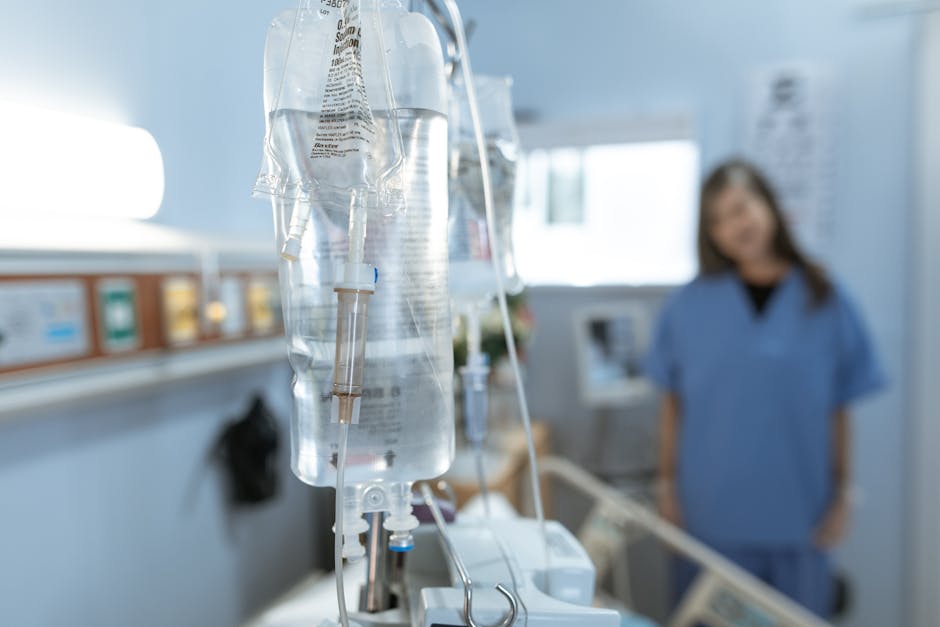
The danger of IV NAD+ is pharmacological, rooted in how the molecule enters the bloodstream. When NAD+ enters the bloodstream intravenously, it bypasses the controlled metabolic processing that the digestive system provides and creates a rapid systemic concentration spike. This spike is what patients pay for, since it delivers the molecule quickly to cells. But it is also what makes the therapy dangerous.
NAD+ pharmacokinetic data indicate that this sudden bolus can trigger a cascade of acute physiological responses. The body processes intravenous NAD+ very rapidly, breaking it down within minutes. During that window, the molecule and its metabolites flood the system in concentrations that oral administration does not typically reach. Commonly reported reactions include:
- Acute vasodilation causing sudden blood pressure drops
- Chest tightness, palpitations, and cardiac stress
- Severe nausea, gastrointestinal cramping, and flushing
- Anxiety, cognitive pressure, and a sensation of internal heat
One documented NAD+ case study in the scientific literature describes adverse neurological events following infusion. The mechanism likely involves multiple overlapping pathways. Rapid vasodilation can strain cardiovascular compensation, particularly in anyone with underlying cardiac conditions that may be undiagnosed. High circulating levels of nicotinamide, the primary NAD+ breakdown product, can place sudden demand on the body's methylation pathways as the liver works to metabolize and clear it. And because IV preparations are compounded rather than pharmaceutical-grade, the risk of contamination or dosing error adds a layer that has nothing to do with NAD+ biology itself.
This is the core asymmetry: oral precursors produce gradual increases the body manages easily, while IV NAD+ demands real-time physiological adaptation to a sudden spike. If that adaptation fails, the crash is immediate.
Oral vs Sublingual vs IV NAD+ Risk Profiles
The biohacking community often treats all NAD+ delivery methods as interchangeable paths to the same goal. They are not. Each route has a distinct safety profile, absorption pattern, and evidence base that should drive your decision. A detailed route comparison guide illustrates the practical differences, but the critical factors boil down to a few variables.
| Route | Bioavailability | Peak Concentration | Evidence Base | Risk Level |
|---|---|---|---|---|
| Oral (NR/NMN) | Moderate, gradual | Low and sustained | Extensive human trials | Low |
| Sublingual | Higher than oral | Moderate | Emerging research | Low to moderate |
| Intravenous | Complete bypass | Very high and rapid | Minimal trials | High |
Oral NAD+ Precursors
Oral NAD+ precursors like nicotinamide riboside (NR) and nicotinamide mononucleotide (NMN) are the most studied route by a wide margin. NR safety data from clinical trials show a favorable safety profile at standard doses, with reliable increases in blood NAD+ levels without the dangerous peak concentrations linked to infusion reactions. The body absorbs precursors gradually through the digestive system, converting them to NAD+ at a pace that cellular machinery can handle.
This is the key point: oral precursors maintain steady cellular NAD+ levels. They do not produce the spike-and-crash pattern of IV administration. The trade-off is that they raise NAD+ more modestly, over days and weeks rather than minutes. For a biohacker pursuing cellular optimization, that is a safety feature, not a drawback.
The National Institute on Aging's Intervention Testing Program found that NR did not extend lifespan in mice, which tempers the supplement's more aggressive marketing claims. But for safety-focused supplementation, what matters is that the human evidence base for oral precursors is substantially deeper than for any parenteral route.
Sublingual NAD+ Bioavailability
Sublingual delivery occupies a practical middle ground. Sublingual delivery data from a company-funded report suggest that this route can deliver NAD+ directly into the bloodstream through the mucosal tissue, partially bypassing gastrointestinal degradation without requiring venous access. Absorption is faster than oral capsules but avoids the extreme concentration spike of IV infusion.
For biohackers who want something between the gradual effect of oral precursors and the rapid delivery of IV, sublingual offers a reasonable compromise. It eliminates the puncture risk and the clinic dependency while still providing meaningful absorption. The evidence base is still emerging, but the safety profile is favorable because the concentration curve remains far gentler than intravenous delivery.
Intravenous NAD+ Infusions
IV NAD+ is the route with the highest risk and the thinnest evidence. The appeal is understandable: complete bioavailability, direct cellular access, and a perception of medical seriousness. But as the NYC death illustrates, the same properties that make IV delivery potent also make it dangerous. There is no opportunity to stop absorption once the infusion begins. If the compound is contaminated, the dose is wrong, or the patient has an unexpected reaction, the substance is already in the bloodstream.
"Are NAD+ injections safe?" is a question the current evidence cannot fully answer with confidence. The calibrated response is that they can be safer in a properly equipped medical setting with verified compounds and trained staff. But the consumer wellness market rarely meets that standard.
Why Boutique Longevity Clinics Fail Safety Standards
The structural danger in the IV longevity industry runs deeper than individual bad actors. The economic incentives and regulatory architecture of these clinics systematically under-equip them for the emergencies their own treatments can trigger.
The 503A and 503B Compounding Divide
Compounded NAD+ is not a pharmaceutical-grade product. It is mixed by a compounding pharmacy under FDA compounding rules that distinguish between two categories. Section 503A pharmacies operate traditionally, filling individual prescriptions with limited federal oversight. Section 503B outsourcing facilities face stricter requirements, including mandatory end-product testing and current good manufacturing practice. Most boutique clinics source from 503A pharmacies, where batch-level sterility testing is not uniformly required and the integrity of each IV bag depends on the pharmacy's internal protocols rather than pharmaceutical-grade standards. Research on compounding pharmacy safety documents microbial contamination events and concentration-potency errors that the patient has no way to detect.
High-Margin Infusions, Minimal Infrastructure
The business model makes the safety gap worse. An IV NAD+ session can command several hundred dollars per visit, making it one of the highest-margin services a wellness clinic can offer. But the infrastructure required to handle an adverse reaction, including on-site physicians, crash carts, and emergency transfer agreements, is expensive and does not generate revenue. The economic pressure pushes clinics toward maximizing infusion volume while minimizing medical overhead. Bereshit Lifestyle Center illustrates the endpoint of this logic. The practitioner who administered the infusion held no U.S. medical license, and the clinic reportedly marketed an elaborate multi-ingredient formulation with no published safety testing of the combined product.
Batch Variability and Dosing Unpredictability
Each compounded batch of NAD+ can vary in concentration and purity. A patient who tolerated an infusion last month may receive a batch with a different potency profile this month, and neither the clinic nor the patient can tell the difference by looking at the bag. This variability compounds the pharmacological risk already inherent in intravenous delivery. The consumer has no assay, no certificate of analysis, and no independent verification mechanism. When the product itself is inconsistent, even a well-staffed clinic cannot fully control the risk.
A Practical Checklist to Vet Any IV Therapy Clinic

If you decide that IV NAD+ is worth the risk, the single most important variable is where you get it. The following checklist separates legitimate medical operations from wellness boutiques playing doctor.
1. Verify Medical Staff Credentials
The practitioner administering your infusion should be a licensed physician, nurse practitioner, or registered nurse with IV certification. Clinic credential checks should go beyond the clinic's own marketing materials. Verify licenses through your state medical board's online database. The NYC case is instructive: Luis Rojas Cabrera claimed medical training from the Dominican Republic but held no U.S. license. A two-minute database search would have revealed that.
2. Confirm On-Site Physician Availability
A med spa with a medical director who visits once a month is not the same as a clinic with a board-certified physician physically present during procedures. If something goes wrong during your infusion, the person who needs to respond is the person in the building.
3. Check IV Therapy Crash Cart Requirements
A clinic prepared for emergencies will have anaphylaxis response protocols and the equipment to execute them. This means:
- A crash cart stocked with epinephrine, antihistamines, and corticosteroids
- Oxygen delivery and airway management equipment
- An automated external defibrillator (AED)
- Staff currently certified in Advanced Cardiovascular Life Support
- A documented emergency transfer plan to a nearby hospital
Ask to see the crash cart. If the staff cannot show you where it is or cannot describe their anaphylaxis protocol from memory, leave.
4. Ask About Compounding Sources
The clinic should be able to tell you which compounding pharmacy prepares their NAD+, whether that pharmacy is FDA-registered, and what quality testing is performed on each batch. If they cannot answer or treat these questions as unreasonable, that response tells you everything about their safety culture.
5. Evaluate Screening and Monitoring
A legitimate clinic will take a full medical history, check baseline vitals, and monitor you throughout the infusion. They should start with a low infusion rate and adjust based on your tolerance. If a clinic offers to push a high-dose NAD+ infusion on your first visit without screening, they are prioritizing revenue over safety.
Frequently Asked Questions
How long does an NAD+ infusion take?
Sessions typically run two to four hours. Clinics commonly start at a low drip rate and titrate upward only if the patient tolerates it. The titration logic is defensive: slowing the rate spreads the NAD+ bolus over a longer window, giving hepatic clearance pathways time to keep pace.
What does an NAD+ infusion feel like?
The sensations trace directly to pharmacology:
- Flushing, heat, and chest pounding: IV delivery floods the bloodstream with NAD+ and its breakdown product nicotinamide, triggering vasodilation and reflex tachycardia
- Blood pressure drop: rapid vasodilation outpaces cardiovascular compensation
- Nausea: nicotinamide metabolism places sudden demand on hepatic methyl donor pools
Slowing the drip reduces the concentration gradient and typically resolves symptoms within minutes.
How much does an IV NAD+ infusion cost?
Prices commonly range from several hundred to over a thousand dollars per session, split across three layers. The compounded NAD+ itself is often the smallest fraction of the total. Practitioner time, including vitals monitoring and IV placement, typically drives the largest share. Facility overhead fills the remainder. Package deals reduce per-visit cost but commit the patient to repeated exposure.
Are NAD+ injections safer than IV infusions?
Intramuscular injections produce a shorter concentration curve than IV. NAD+ absorbs from muscle tissue over a shorter window than IV, reaching a lower peak while still bypassing digestive metabolism. The circulating half-life is short, narrowing total exposure. Injection-site reactions and compounding variability concerns still apply.
Safer NAD+ Protocols for Biohackers
A tiered risk escalation framework gives biohackers a rational decision tree for NAD+ optimization.
Tier 1: Oral precursors first. NR and NMN offer the deepest human evidence base, as the route comparison above establishes. This is the rational baseline for most people pursuing cellular optimization, with slower onset over days and weeks.
Tier 2: Sublingual for faster onset. Sublingual NAD+ earns its place when oral precursors feel too slow or gastrointestinal degradation is a concern. It provides faster absorption without the extreme concentration spike or the venous puncture risk of IV delivery. The evidence is thinner than for oral precursors, so treat it as a step up, not a substitute.
Tier 3: IV only under strict conditions. Reserve intravenous NAD+ for situations where all of the following are true: a board-certified physician is physically present throughout the infusion, a stocked crash cart with epinephrine and airway equipment is on site, the NAD+ is sourced from an FDA-registered 503B compounding facility with batch testing, and you have disclosed your full medical history. If any of these conditions is missing, the risk is not justified by the available evidence.
As Dr. Kaeberlein cautioned, enthusiasm for longevity interventions should never replace evidence or basic safety standards. The biohacking community can pursue cellular optimization aggressively, but the clinic preparedness question matters as much as the biology. If the clinic you are sitting in cannot keep you alive during an adverse reaction, no theoretical NAD+ benefit justifies the risk.
Stay in the loop.
Get the latest posts and exclusive content delivered to your inbox.
Join 10 readers. No spam. Unsubscribe in one click, anytime.
About the author
Dr. Mara Whitfield
Longevity Protocols Lead
Mara translates aging research into protocols people can actually follow. With a background in preventive medicine and years tracking the longevity literature, she writes the healthspan routines, supplement stacks, and testing cadences she runs herself.
Related Posts
Growth Hormone and Aging Pull in Opposite Directions
Growth hormone and aging pull in opposite directions: blunted GH signaling extends mouse lifespan while secretagogues raise IGF-1. Audit your stack here.

How to Increase Bone Density With Impact and Heavy Loading
How to increase bone density with impact and heavy loading, when to retest with DXA or REMS, and what the new GPR133 bone study actually means for you.
XPRIZE Healthspan Results, Audited Against the Rules
The AgelessRx XPRIZE Healthspan results cover 90 days; the contest scores 12 months of tested function. Learn the audit that defuses any longevity claim.