Neuroinflammation and Deep Sleep Decline Is Reversible
Neuroinflammation and deep sleep share one cause. Spot overactive microglia via HRV data, then use barrier-crossing protocols to restore slow-wave sleep.

Your sleep tracker says you spent forty minutes in deep sleep last night. You took magnesium glycinate, turned off the screens early, and kept the room cold. Yet your slow-wave numbers look worse than they did a month ago.
Stay in the loop.
Get the latest posts and exclusive content delivered to your inbox.
Join 43 readers. No spam. Unsubscribe in one click, anytime.
Standard sleep hygiene is failing you because your root cause is not a lack of sedatives. A recent study in mice engineered to develop Alzheimer's-like amyloid plaques found that overactive immune cells in the brain, not the plaques themselves, drove severe sleep deficits. When researchers temporarily depleted these immune cells, the animals recovered more than two hours of restorative sleep. Understanding the link between neuroinflammation and deep sleep changes the entire recovery playbook. You have to calm the immune system before you can fix the sleep architecture.
Why Standard Sleep Stacks Fail When the Brain is Inflamed
Most biohacker sleep stacks are built around central nervous system sedation. Magnesium glycinate dampens NMDA receptor activity. Apigenin modulates GABA. Melatonin shifts circadian phase. These compounds act on neuronal excitability and circadian signaling, not on the immune cells driving neuroinflammation.
The blood-brain barrier is a selective membrane with tight junctions and active efflux pumps that exclude most circulating compounds from the central nervous system. Small, lipophilic molecules can pass by passive diffusion, but the majority of compounds require specific transporter proteins or cannot cross at all. Magnesium relies on dedicated transporters that limit brain concentrations. Melatonin crosses readily but targets sleep-wake regulation, not microglial activation state. GABA itself does not cross in meaningful amounts, which is why most GABAergic supplements work through indirect pathways or precursor conversion.
This is the functional gap. Sedating an inflamed brain can produce unconsciousness, but it does not produce the synchronized delta-wave firing that defines restorative slow-wave sleep. If microglia remain in an activated phenotype, continuously releasing pro-inflammatory cytokines that fragment neural synchrony, increasing GABAergic dosage only deepens next-morning grogginess without recovering the architecture that matters. You are suppressing signaling in a system that needs immune modulation.
The Mechanism of Microglial Overactivation and Sleep Loss
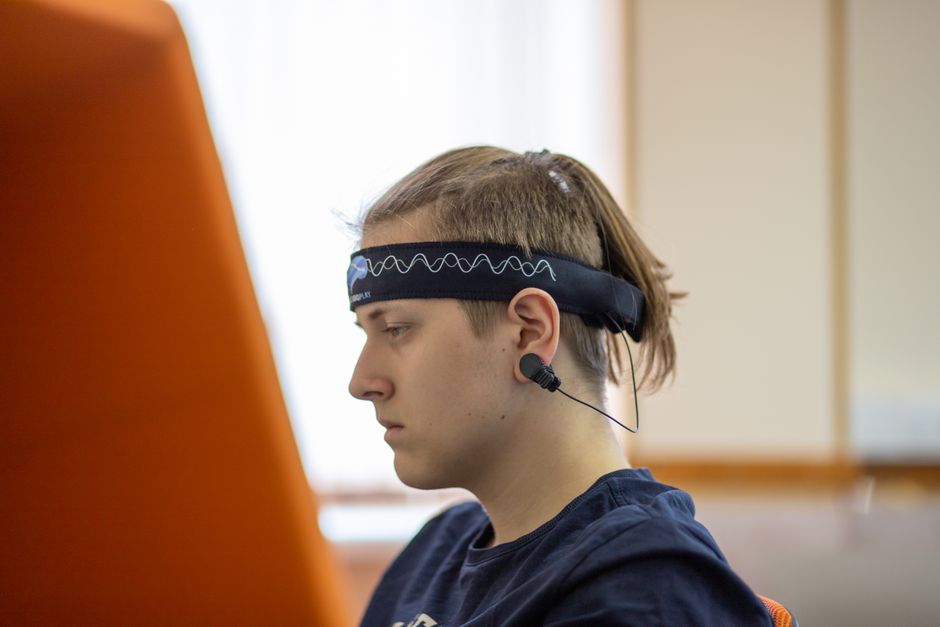
When researchers temporarily depleted microglia in mice engineered to develop amyloid plaques, sleep recovered by more than two hours. The plaques never moved. That result reframes the problem: the immune cells themselves, not the pathology they respond to, are what strips the brain of slow-wave sleep.
In a rested brain, microglia occupy a surveillance state. Their processes extend and retract constantly, monitoring the local environment and supporting normal neuronal function. When they detect systemic inflammation, metabolic stress, or cellular damage, they shift into an activated phenotype and release pro-inflammatory cytokines like TNF-alpha and IL-1beta. This is where sleep architecture breaks down.
Slow-wave sleep requires large populations of neurons to fire in synchronized delta-wave bursts. Activated microglia disrupt that synchrony. They release signaling molecules that fragment the neural coordination needed to generate high-amplitude slow waves. The microglia and slow-wave sleep research documents this effect: when these immune cells stay activated, the brain struggles to sustain the deep, restorative stages that drive glymphatic clearance.
The plaque finding carries a practical lesson. If reducing amyloid burden alone did not improve sleep, then circadian optimization or GABAergic sedation will not help a brain whose immune cells remain switched on. Until microglia shift out of their pro-inflammatory state, neurons cannot sustain the synchronous firing that defines real deep sleep. This is why someone can take the perfect supplement stack, hit every sleep hygiene target, and still watch their slow-wave percentage collapse night after night.
The Inflammation and Sleep Deprivation Feedback Loop
This sequential night-to-night mechanism is the leading model from animal and preclinical research, not confirmed human physiology. No study has tracked microglial state across consecutive nights in living human brains. But the model is compelling: microglial biology is deeply conserved across mammals, and the cytokine-sleep interactions measured in human blood draws replicate the same directional effects seen in animal work.
The conventional description of this loop stops at the surface: poor sleep raises IL-6 and CRP, and those cytokines worsen sleep. The microglial version is what makes the link between neuroinflammation and deep sleep so destructive. Each night of fragmented sleep reinforces the exact cytokine signal that locks microglia into their activated phenotype. Those cells then fragment the next night's slow-wave architecture, sending another inflammatory pulse through the system. The loop self-reinforces at the cellular level, not just systemically.
Research on IL-6 and CRP mechanisms shows that even a single night of fragmented sleep can elevate these inflammatory proteins, though the magnitude varies by individual. Once peripheral cytokines cross the blood-brain barrier, they bind to receptors on microglia and reinforce the activated state. Work on inflammation and sleep stages demonstrates that inflammatory cytokines reduce time spent in slow-wave sleep, and since slow-wave sleep is when glymphatic clearance is believed to peak, the cycle starves the brain of its cleanup window. The glymphatic connection itself is broader scientific consensus, not the direct scope of that source. Studies on innate immune cells suggest that prolonged sleep disruption can persistently shift immune activity toward a pro-inflammatory profile, though whether this represents a durable change in humans remains an open question.
Breaking this cycle requires compounds that physically cross the BBB and directly shift microglial state. Surface-level interventions like sleep hygiene or GABAergic sedation cannot interrupt a feedback loop operating inside the barrier. The first step is confirming the inflammatory pattern in your wearable data, then targeting it with BBB-crossing compounds.
Detecting Neuroinflammation and Deep Sleep Decline

You do not need a brain biopsy to identify the problem. Use this four-step protocol to read the neuroinflammatory signature on your wearable.
- Establish a 14-day rolling baseline. Pull your deep sleep percentage and nighttime HRV from your Oura, Whoop, or Apple Watch for the past two weeks. Average both numbers. This is your floor.
- Define a meaningful decline. A single bad night means nothing. You are looking for a sustained drop below your baseline for five or more consecutive nights in both deep sleep and HRV.
- Run the confounder checklist. Before attributing the pattern to neuroinflammation, rule out alcohol within 48 hours, a training intensity spike, a new supplement or medication, and acute psychological stress. If any of these are present, address that first.
- Confirm the dual-metric pattern. Deep sleep decline alone could reflect a phase shift or tracking error. HRV decline alone is nonspecific. But when both drop simultaneously without an obvious cause, the convergence points to a neuroimmune problem. The autonomic HRV switch explains that low nighttime HRV reflects heightened sympathetic stress signaling, which is what sustained microglial activation produces.
If you have ruled out alcohol, overtraining, and acute stress, a sustained decline in both deep sleep and nighttime HRV points toward neuroinflammation as the likely driver. Research on therapeutic microglia modulation confirms that directly targeting these cells improves sleep outcomes, which is why this dual-metric pattern reflects a genuine neuroimmune shift, not a measurement artifact.
The Blood-Brain Barrier Crossing Anti-Inflammatory Stack
To restore slow wave sleep naturally, you must use compounds that physically cross the blood-brain barrier and actively suppress neuroinflammation. Timing specific anti-inflammatory interventions to the evening window maximizes slow-wave recovery by preparing the brain for glymphatic clearance. The dose ranges below reflect common biohacking practice and practitioner conventions, not validated clinical protocols. No human microglia-specific dosing studies exist for these compounds, so treat them as starting points and adjust based on your wearable data.
| Compound | Microglial Mechanism | Dose | Timing |
|---|---|---|---|
| Apigenin | Inhibits inflammatory pathways in the brain | 50 to 100 mg | 1 hour before bed |
| Luteolin | Directly suppresses microglial activation | 100 to 200 mg | 1 hour before bed |
| SPMs / Maresin | Activates resolution receptors to shut down microglia | Per product label | Evening |
| NMN or NR | Boosts NAD+ to silence inflammatory genes | 250 to 500 mg | Morning or early afternoon |
| EPA + DHA | Provides raw materials for pro-resolving mediators | 2+ g combined | With a meal |
Flavonoids for Microglial Suppression
Apigenin and luteolin are potent flavonoids that easily cross into the central nervous system. Instead of merely acting as sedatives, they actively calm overactive immune cells. The research on apigenin and luteolin permeability shows these compounds directly inhibit inflammatory pathways in the brain. Take apigenin about an hour before bed to help transition the brain out of its inflammatory state.
Specialized Pro-Resolving Mediators
Inflammation resolution is an active process, not just a passive fading of symptoms. Specialized pro-resolving mediators, or SPMs, are downstream metabolites of omega-3 fatty acids that tell the immune system to stand down. The science behind specialized pro-resolving mediators explains how these molecules actively clear cellular debris and stop cytokine storms. Some biohackers are experimenting with maresin biohacking supplements as a potential way to quiet microglial signaling before sleep. This is emerging self-experimentation, not clinical evidence, and the linked page is a commercial reference rather than a peer-reviewed source.
NAD Precursors for Brain Repair
NMN and nicotinamide riboside work through a specific molecular axis, not a vague energy boost. Raising intracellular NAD+ fuels sirtuin enzymes, and sirtuins directly deacetylate the NF-kB p65 subunit, silencing the inflammatory gene transcription that keeps microglia locked reactive. The NMN and neuroinflammation data show this NAD-sirtuin-NF-kB axis operating in brain immune cells. The timing rationale is circadian, not sedative. NAD+ naturally dips through the afternoon in metabolically stressed tissue, leaving microglia primed for the evening cytokine surge. Dose at night and you are chasing a cascade already in progress. A morning or early-afternoon dose keeps sirtuin activity ahead of that surge, preempting the signal before it fragments slow-wave architecture. The tradeoff: NR is better tolerated but costs two to three times more per gram than NMN, and higher NMN doses can trigger mild nausea. Start low and titrate.
High-Dose Omega-3 Fatty Acids
The SPM row in the table above covers supplementing finished pro-resolving mediators directly. EPA and DHA are the other half of that strategy. They are the enzymatic substrates your body converts into resolvins, protectins, and maresins through lipoxygenase and cyclooxygenase pathways. Without adequate substrate, the resolution pathway stalls regardless of how many downstream signaling molecules you add. Two grams of combined EPA and DHA daily gives the enzymatic machinery enough raw material to sustain the microglial resolution signaling described in the SPM subsection. The omega-3 anti-inflammatory data comes from elderly women studied for Alzheimer's prevention, a narrow population, but the substrate conversion mechanism is general and applies to baseline neuroinflammation across demographics.
Lifestyle Adjustments to Support Microglial Health
Not all daytime levers are equal. Ranked by mechanistic evidence for directly shifting microglial state, the order is clear: sauna conditioning first, dietary AGE and saturated-fat reduction second, time-restricted eating a distant third. Start at the top before adding complexity.
Sauna Conditioning (Strongest Evidence)
Sauna has the most direct mechanistic case for flipping microglia out of their pro-inflammatory state. The heat stress induces heat shock protein expression, which helps refold damaged proteins and dampen the NF-kB signaling that drives microglia into overdrive. Two to three sessions per week is a common starting point in the literature, though no validated microglia-specific protocol exists in humans yet.
Timing matters more than most people realize. The heat shock proteins persist for hours after exposure, which is why an afternoon or early-evening session can precondition your microglia for a calmer night. A morning sauna gives you a nice cardiovascular workout but misses the window when it matters for sleep architecture. One caveat: if your morning HRV is already low from chronic stress or under-eating, aggressive heat stress can push you further into sympathetic overdrive. Skip the sauna that week and prioritize sleep itself.
Dietary Inputs (Second Priority)
What you eat hits microglia through a specific gut-brain pathway, not through vague systemic inflammation. Advanced glycation end products from charred and fried foods may activate pro-inflammatory receptors on microglia, shifting them toward a reactive state. High saturated fat intake can shift the gut microbiome toward endotoxin-producing species, and those lipopolysaccharides may cross a leaky intestinal barrier to potentially prime microglia. Most of this causal chain is drawn from animal and mechanistic models, not confirmed human trials. As a rough anchor, keeping saturated fat under 10 percent of daily calories and minimizing heavily browned or charred foods is a reasonable target that maps onto the animal data without requiring obsessive tracking.
Time-Restricted Eating (Weakest Lever)
Time-restricted eating is the weakest of the three for microglia specifically. Compressing your feeding window to eight to ten hours lowers baseline insulin and inflammatory tone, which reduces the metabolic signals that can lock microglia into a reactive state. The effect is real but indirect compared to the heat shock protein mechanism above. If your sleep is already fragile, do not start here. Aggressive fasting in someone who is cortisol-depleted or underweight can raise stress hormones and worsen the exact inflammatory tone you are trying to lower. Add TRE only after sauna and diet are dialed in, and stop if your HRV drops after the first week.
Fix the Root Cause to Recover Deep Sleep
Your first 72 hours:
- Track baseline tonight. Record your deep sleep percentage, nighttime HRV, and resting heart rate. You need a starting number.
- Dose apigenin (50 to 100 mg) one hour before bed for the next three nights. Add luteolin (100 to 200 mg) on night two if tolerance is good.
- Cut charred, fried, and high-saturated-fat foods starting today. This removes the dietary signals that keep microglia activated.
- Schedule one sauna session in the late afternoon or early evening within the first 72 hours, not the morning.
Success metric: Aim for a measurable increase in deep sleep percentage within 7 to 10 days. A modest but measurable relative increase, perhaps a few extra minutes of deep sleep per night, is a reasonable practitioner heuristic rather than a research-validated target.
If HRV has not improved after two weeks: The problem may not be microglial. Check cortisol patterns, rule out a new food sensitivity, and consider that your nervous system may need a deload week rather than more anti-inflammatory firepower. Layering supplements on top of a system stuck in a freeze response rarely helps. Strip back to apigenin alone, prioritize recovery, and reassess.
Stay in the loop.
Get the latest posts and exclusive content delivered to your inbox.
Join 43 readers. No spam. Unsubscribe in one click, anytime.
About the author
Elena Park
Sleep and Recovery Specialist
Elena has spent a decade helping people fix their sleep and recover faster, pairing wearable and HRV data with the cold, heat, and breathwork protocols she tests on herself first. She writes recovery routines that hold up under real, busy lives.
Related Posts

Biohacking Sleep Stack to Narrow a 17 Point Quality Gap
High performers rate sleep quality 17 percentage points higher despite similar duration. Discover the mechanisms and build a biohacking sleep stack.

The Cannabis and Cortisol Awakening Response Sleep Trap
The cannabis and cortisol awakening response explains why frequent THC users see inflated wearable recovery scores but still wake up exhausted.
Oura Ring Cost Over Three Years Is $560, Not $349
Our 3 year Oura Ring cost audit stacks hardware, membership, and battery wear into one true total, then names who should skip it for a cheaper tracker.