Raw Milk Benefits and Risks, Audited Claim by Claim
Raw milk benefits and risks, audited claim by claim from lactose to immunity, with pathogen cost priced per serving and a safer swap for each real gain.
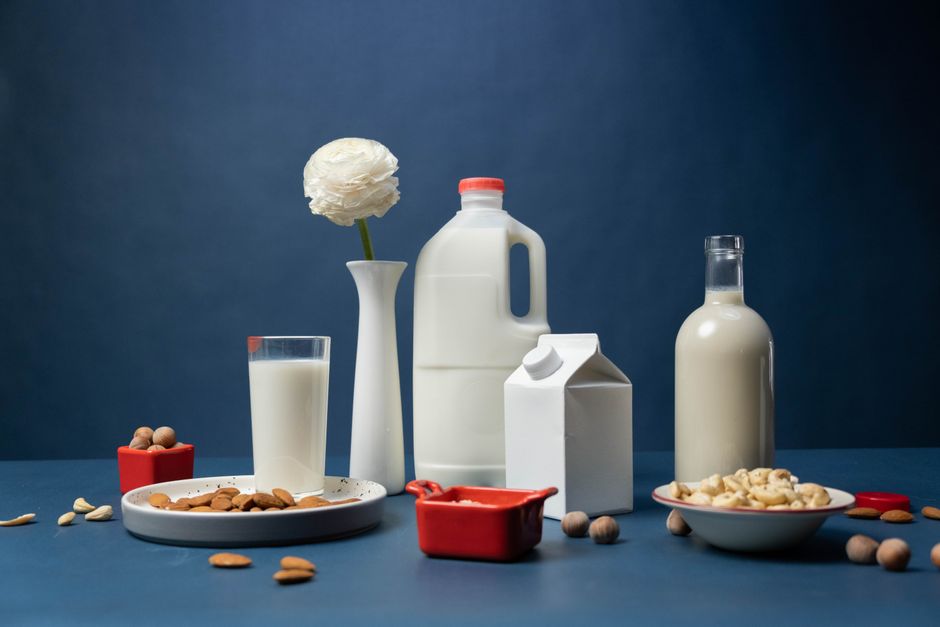
Raw milk has exactly one mechanism worth taking seriously, and you can buy that mechanism in a capsule with the pathogens left out. The rest of the pitch, the lactose fix, the living enzymes, the superior protein, fails either chemistry or dosing. General-reader coverage gives you a shrug and an "ask your doctor." A stack-runner needs the raw milk health claims graded one by one, with the pathogen tax priced per serving, because raw milk benefits and risks only become comparable on the same per-serving scale. That is this article.
Stay in the loop.
Get the latest posts and exclusive content delivered to your inbox.
Join 57 readers. No spam. Unsubscribe in one click, anytime.
The Raw Milk Benefits and Risks on Trial
Six claims do all the work in raw milk advocacy, and each one gets graded on the same four questions you would apply to any supplement:
- Mechanism. Is there a plausible biochemical path from something in the milk to the outcome in your body?
- Dose. Does one glass deliver enough of that compound to matter?
- Human evidence. Has the outcome been shown in controlled people, not just in milk chemistry?
- Substitutability. Can a lower-risk product deliver the same mechanism at a known dose?
The scorecard first, then the receipts.
| Claim | Mechanism | Dose | Human evidence | Grade |
|---|---|---|---|---|
| Fixes lactose intolerance | No | No | Controlled trial, negative | F |
| Enzymes survive digestion | No | No | Never tested in humans | F |
| Protein is more bioavailable | Marginal | Passes | No benefit shown | F |
| Immune and gut support | Yes | Uncontrolled | Mixed colostrum trials | C |
| Prevents asthma and allergy | Plausible | Untested at retail | Confounded cohorts | C-minus |
| Pasteurization wrecks nutrition | No | No | Refuted | F |
Does Raw Milk Fix Lactose Intolerance?
Does raw milk help lactose intolerance? Of all the claims about raw milk and lactose intolerance, this one got a proper controlled test, and it lost. In a Stanford controlled feeding trial, lactose-intolerant adults drank raw and pasteurized milk in randomized crossover phases while researchers tracked symptoms and breath hydrogen, the objective marker of undigested lactose fermenting in the colon. Neither measure improved on raw milk. The difference between the two was statistical noise, which means the lactose-tolerance claim rests mainly on expectancy.
The mechanism was never there. A glass of milk carries roughly 12 grams of lactose, and the lactase native to bovine milk exists at trace activity, orders of magnitude short of the enzyme load it would take to cleave that. Enzyme kinetics does not care how raw the milk is. Kinetics cares how much catalyst is in the pot. A single lactase pill, by contrast, delivers thousands of acid-protected enzyme units designed to survive the stomach.
Blinded dairy challenges back the expectancy read: many people who call themselves lactose intolerant cannot distinguish milk from placebo once labels are hidden. That is the signature of a placebo, not a mechanism.
Grade: F. The real fix costs pennies. Lactase enzyme taken with the first sip digests the lactose for real, in any milk.
Do Raw Milk Enzymes and Protein Survive Digestion?
The enzyme story dies before the gut. Dietary enzymes are proteins, and gastric acid plus pepsin denatures most of them long before they could do the claimed work in the intestine. Milk buffers stomach acid slightly, enough for some protein to survive partially, but partial survival is not "living food."
The irony is sharpest on the flagship enzyme. Alkaline phosphatase, the one advocates cite, is the exact marker regulators use to confirm that pasteurization happened, so its presence is a certificate of a missing heat step rather than evidence of a health effect.
Is raw milk protein more bioavailable than pasteurized? Denatured does not mean indigestible. Heat unfolds whey proteins; digestion cleaves them anyway, and protein digestibility research on pasteurization-level heat finds some whey denaturation with digestibility and amino acid availability essentially intact. Pasteurized casein and whey also sit at or near the ceiling of protein-quality scoring systems. They are the reference proteins those systems are calibrated against.
Grade: F on the enzyme claim and on raw milk protein bioavailability. If protein quality is the goal, pasteurized dairy is a benchmark, not a compromise.
Is There a Real Immune or Gut Benefit?
This is the claim that survives first contact. Immunoglobulins, lactoferrin, and TGF-beta are genuine milk components, genuinely bioactive, and genuinely heat-labile, so this is the real chemistry that pasteurization costs you. A fraction of bovine IgG survives gastric transit, especially buffered by milk proteins, and lactoferrin resists digestion well enough to act in the gut. Mechanism, pass.
The dose story collapses at retail. Immunoglobulin concentration peaks in colostrum, the first milk after calving, then falls by orders of magnitude in the mature milk every bottler sells. Stack cow-to-cow variation, lactation stage, season, and handling on top, and you are dosing a real drug with an unmarked pipette.
The human evidence lives elsewhere. Trials reporting fewer respiratory illness days and less exercise-induced gut permeability used standardized bovine colostrum, mostly in athletes under heavy training load, with mixed but real results. Standardized means the dose is on the label and the pathogens are absent.
And raw milk is not a probiotic. Its native microbes are mostly spoilage organisms at variable counts, not strains selected to do anything in a human gut. Kefir typically carries orders of magnitude more live microbes per serving, from a defined community.
Grade: C. Real mechanism, wrong vehicle.
What the European Farm Milk Asthma Studies Show

The strongest evidence in this whole debate is real, and it deserves an honest read. The PARSIFAL farm-milk cohort and the GABRIELA farm milk asthma study both found that children drinking unheated farm milk showed lower rates of asthma, hay fever, and allergic sensitization. That is the best signal raw milk advocates have, and three problems keep it out of your bottle:
- The confound. These children lived on or near working farms, with barn exposure, animal contact, and endotoxin-rich dust. The milk arrives packaged with the farm, and the farm is part of the effect.
- The fragility. The association weakens when the milk is boiled, which points at something heat-sensitive and real, but also something nobody can standardize.
- The timing. The effect shows up in children whose immune systems are still calibrating. No trial has tested retail raw milk as an asthma or allergy intervention in adults.
Grade: C-minus. Genuine signal, non-transferable purchase. You cannot buy a childhood on a farm by the jug.
What Pasteurization Actually Removes
Run the honest ledger on raw milk vs pasteurized milk and the deltas are small:
- Vitamin C. A glass holds a few milligrams, and pasteurization degrades a fraction of a trivial amount, in a food that was never a meaningful vitamin C source.
- B vitamins. Modest losses of some, folate among them, in diets where milk is rarely the main supplier.
- Minerals. Calcium content and calcium bioavailability are essentially unchanged by heat.
- The real casualties. Immunoglobulins, lactoferrin, and TGF-beta. That loss is genuine, and it is the only line in this column that matters.
Grade: F for the pasteurization-destroys-nutrition claim. The gap is smaller than anything you could detect on a lab panel. The one honest loss is the immune fraction, and the substitute stack below prices its replacement.
Pricing Pathogen Risk Per Serving
Raw milk safety and outbreaks get argued in totals, which misleads in both directions. The honest unit is raw milk illness risk per serving, the only scale where the benefits and the dangers can be weighed together.
The baseline rate
In CDC's analysis of 1993 to 2006 data, raw dairy caused roughly 150 times more outbreaks per unit consumed than pasteurized dairy, despite being a small fraction of total milk consumed. A later CDC outbreak analysis keeps the pattern, with unpasteurized milk and cheese recurring as the vehicles in outbreak after outbreak.
The Fermi estimate
All arithmetic exposed, so you can fight the assumptions:
- Assume a few million regular US raw milk drinkers. Call it 3 million.
- Assume about 200 servings per drinker per year, which is roughly 600 million servings annually.
- Assume 1,000 reported outbreak-linked illnesses per year, and a foodborne underreporting factor commonly estimated at 20 to 30 fold. Reported times 25 lands near 25,000 actual illnesses.
- 25,000 illnesses across 600 million servings is about one illness per 24,000 servings.
Move any assumption and the result lands between 1 in 10,000 and 1 in 100,000 per serving. At a glass a day, one in 24,000 compounds to roughly a 1.5 percent annual chance on these assumptions. And the odds are not one number: single-herd farms with frequent testing and same-day bottling sit near the low end, while pooled or commingled raw product fattens the tail hard.
Why the tail is worse than the odds
One in 24,000 sounds survivable until you price the outcomes. E. coli O157:H7 causes hemolytic uremic syndrome, which destroys kidneys and lands hardest in children. Campylobacter triggers Guillain-Barre syndrome, which can paralyze. Listeria growth modeling shows it multiplying in raw milk at refrigerator temperatures, while the native microbiota does not reliably outcompete pathogens, so the self-defending-milk argument fails the cold chain.
Then came the 2024 H5N1 raw milk recall. Live H5N1 virus was detected in retail raw milk sold in California and the products were pulled, while FDA H5N1 testing results found no live virus in commercial pasteurized milk. Retail raw milk is a live channel for whatever is circulating in the herd, and that is now a demonstrated fact rather than a hypothetical.
The Substitute Stack for Every Surviving Benefit

Every mechanism that survived the audit is available cleaner, and several benefits people chase in raw milk never needed raw milk at all:
| Benefit you wanted | Mechanism that matters | Cleaner delivery |
|---|---|---|
| Lactose tolerance | None exists in raw milk | Lactase enzyme with any milk |
| Live cultures for the gut | Fermentation microbes | Kefir, far higher counts, defined strains |
| Immune support | IgG, lactoferrin, TGF-beta | Standardized bovine colostrum and lactoferrin supplements |
| Protein quality | Nothing is lost | Pasteurized milk or cold-filtered whey |
| Taste, cream, grass-fed profile | Fat structure and pasture | Vat pasteurized non homogenized milk, cream top |
On the lactoferrin vs raw milk for immunity question, the supplement wins on every measurable axis: labeled dose, batch consistency, zero pathogen exposure. On kefir vs raw milk probiotics, same story, plus strains selected to function in a human gut rather than a cow's udder.
The last row is the one people miss. Pasteurization and homogenization are different processes, and conflating them is where raw milk marketing earns its keep. Pasteurization is heat. Homogenization breaks fat globules so cream stops floating. Vat pasteurized non homogenized milk, held at 145°F for 30 minutes, keeps the cream top, the mouthfeel, and the grass-fed nutrient profile from pasture-raised herds, at pasteurized-grade pathogen risk. If what you wanted was the jug with the cream plug, that product exists without the lottery.
A Risk-Reduction Protocol If You Still Drink It
If the audit does not move you, how to choose a lower-risk raw milk farm matters more than any debate. The checklist:
- Single herd, bottled on site. No pooling or commingling, the single biggest tail-risk multiplier.
- Frequent, published testing. Weekly pathogen screening beats monthly, and shown results beat promised ones.
- Same-day bottling, unbroken cold chain. Ask how milk travels from cow to bottle to fridge.
- An open door. A producer who shows you the parlor and the paperwork is a different risk animal from one who will not.
Handle it like tissue, not like a beverage: coldest shelf, sealed, a week from bottling as the outside edge of freshness, never on the counter.
Hard stops, no exceptions: children, pregnancy, immunosuppression, advanced age. EFSA's risk opinion on raw drinking milk saves its strongest warnings for exactly these groups. One legal note: federal rules bar interstate sale for human consumption, and state law runs from retail-legal to herd-share workarounds. Access says nothing about safety.
The Final Scorecard and Decision Rule
| Claim | Verdict | Do this instead |
|---|---|---|
| Fixes lactose intolerance | False | Lactase |
| Living enzymes | False | Nothing needed |
| Superior protein | False | Any pasteurized dairy |
| Immune and gut support | Real but uncontrolled | Colostrum, lactoferrin, kefir |
| Asthma and allergy protection | Confounded, childhood only | Unbuyable |
| Heat destroys nutrition | Trivial | Nothing needed |
Weigh the full set of raw milk benefits and risks on one scale. The surviving gains are small, substitutable, or confounded. The risk tail is severe, permanent, and lands hardest on the people least able to choose it, starting with the kids drinking whatever their parents pour. Trading an asymmetric catastrophic tail for a replaceable effect is the opposite of a good expected-value trade, and you would never accept it anywhere else in your stack.
The decision rule fits in one line:
Buy the mechanism, not the lottery.
When a raw milk mechanism is real, somebody standardizes it and prints the dose on a label. A benefit that exists only in an unregulated jug is a benefit nobody could ever measure, which is exactly why it survives the marketing.
Stay in the loop.
Get the latest posts and exclusive content delivered to your inbox.
Join 57 readers. No spam. Unsubscribe in one click, anytime.
About the author
Marcus Bao
Strength and Conditioning Coach
Marcus has programmed training for everyone from desk-bound beginners to masters athletes, treating every workout as an experiment with a measurable result. He writes ready-to-run strength, hypertrophy, and Zone 2 programs built around progression you can track.
Related Posts
How Much Fiber Per Day? A Lifter's Dosing Protocol
How much fiber per day does a high-protein lifter need? Gram targets scaled to calories, a bloating-free ramp, and timing around heavy training.

Energy Drinks and Cardiac Arrest Reports vs Real Risk
Energy drinks and cardiac arrest reports ran 11x above expectation. Learn what the signal means, with mg ceilings and stacking rules for your stack.

Cheapest Protein Sources Ranked by Cost per Gram
We ranked the cheapest protein sources by cost per usable gram, then built three weekly grocery lists that each deliver 150g of protein a day. See the math.